 by
Definition of Grain Farming
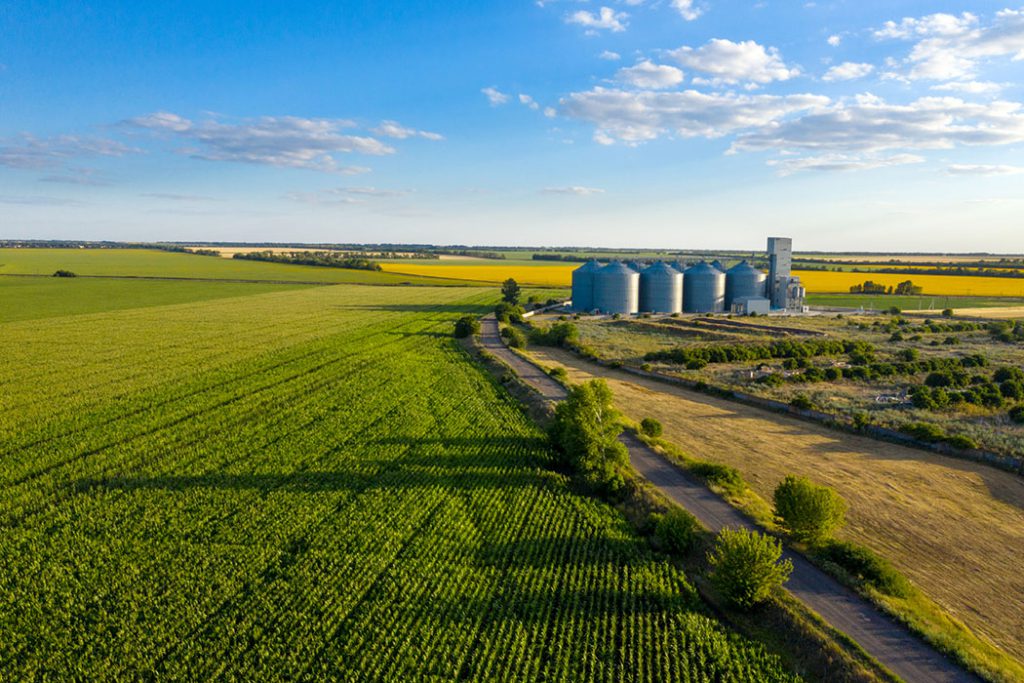
Grain farming is a branch of agriculture focused on the cultivation and production of cereal crops, such as wheat, corn, rice, barley, oats, and sorghum, for human consumption, livestock feed, and industrial purposes.
Importance of Grain Farming
Grain farming plays a critical role in global food security, providing staple food crops that form the basis of diets worldwide. Cereal grains are rich sources of carbohydrates, proteins, vitamins, and minerals, serving as essential components of human nutrition and animal diets. Grain farming also contributes to economic development and rural livelihoods, generating income for farmers and supporting agribusinesses along the value chain.
 Fall off the barn roof and busted your keister? Life on the farm or ranch can be tough on the bum. Need a break? Laugh it off at FarmerCowboy.com, the #1 farm humor site. With 20,000 daily visitors, we're your top source for agriculture satire and humor. Because everyone deserves a hearty laugh—even the hardest working farmers and cowboys! Join us and turn those long days into fun tales at FarmerCowboy.com.
Factors Influencing Grain Farming
Successful grain farming depends on various factors, including climate conditions, soil fertility, water availability, pest and disease management, and access to markets and technology. Different grain crops have specific requirements regarding temperature, rainfall, and growing season length, influencing their suitability for cultivation in different regions. Soil characteristics, such as texture, pH, and nutrient levels, also affect crop productivity and quality.
Best Practices for Grain Farming
To optimize grain farming operations, farmers should implement best management practices tailored to their specific crops and growing conditions. This includes selecting adapted crop varieties, practicing crop rotation and diversification to improve soil health and pest management, optimizing planting and harvesting techniques, and employing precision agriculture technologies to enhance resource efficiency and productivity.
Innovations in Grain Farming
Advancements in agricultural science and technology have led to significant innovations in grain farming, including the development of high-yielding crop varieties, precision planting and nutrient management systems, and remote sensing and digital agriculture tools for monitoring and decision-making. Biotechnology and genetic engineering offer opportunities for crop improvement, such as enhancing yield potential, pest resistance, and stress tolerance, while sustainable farming practices, such as conservation tillage and integrated pest management, promote environmental stewardship and resilience.
Challenges in Grain Farming
Grain farming faces various challenges, including climate change, water scarcity, soil degradation, pest and disease pressure, market volatility, and resource constraints. Extreme weather events, such as droughts, floods, and heatwaves, disrupt crop production and reduce yields, highlighting the need for climate-smart farming practices and resilience strategies. Market dynamics, trade policies, and consumer preferences also influence grain prices and market access, affecting farm profitability and livelihoods.
Conclusion
In conclusion, grain farming is a cornerstone of global agriculture, providing essential food and feed crops that sustain human nutrition, animal production, and industrial processes. By adopting sustainable practices, harnessing technological innovations, and promoting resilience and adaptation, grain farmers can enhance productivity, profitability, and environmental sustainability in the face of evolving challenges and opportunities.
References:
- Food and Agriculture Organization of the United Nations. (2020). The State of Food Security and Nutrition in the World. Link
- United States Department of Agriculture. (n.d.). Grain Farming and Cropping Systems. Link
- International Maize and Wheat Improvement Center. (2021). Global Wheat Program. Link
Originally posted 2004-11-19 16:36:09.
Searching for some good ol' Farm-tastic Fun, Udderly Hilarious Dairy Tales, Insightful Ranching Revelations, and Rip-roaring Rodeo Antics?