 by
by Grain
Definition:
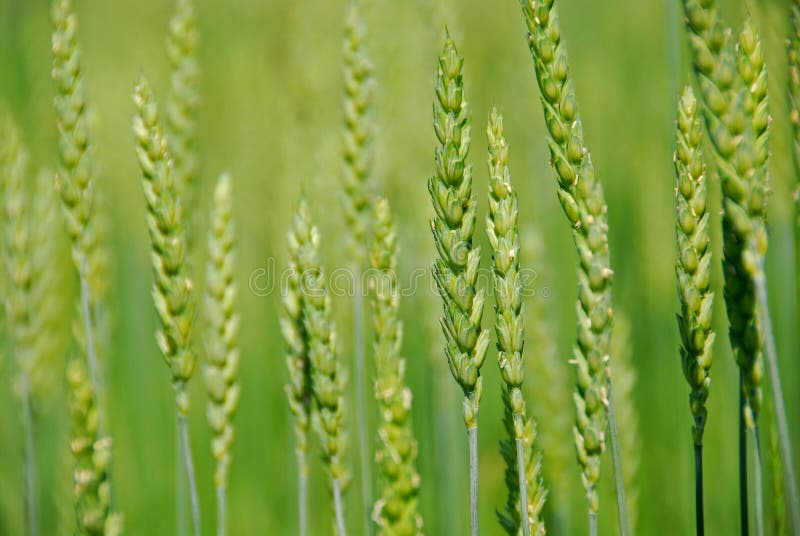
Grain refers to the seeds of cereal crops such as wheat, rice, maize (corn), barley, oats, and sorghum that are harvested for human consumption, animal feed, or industrial purposes. Grains are staple food commodities and primary sources of carbohydrates, proteins, vitamins, and minerals in global diets, serving as essential food sources for humans and livestock in agricultural systems.
Description:
Grain production involves the cultivation, harvesting, processing, and storage of cereal crops grown in agricultural fields, farmlands, or grain-producing regions worldwide. Grains are cultivated as annual crops planted from seeds or grains, germinating into seedlings, maturing into plants, and producing grain kernels or seeds that are harvested, threshed, cleaned, and stored for various agricultural, culinary, or industrial uses.
 Fall off the barn roof and busted your keister? Life on the farm or ranch can be tough on the bum. Need a break? Laugh it off at FarmerCowboy.com, the #1 farm humor site. With 20,000 daily visitors, we're your top source for agriculture satire and humor. Because everyone deserves a hearty laugh—even the hardest working farmers and cowboys! Join us and turn those long days into fun tales at FarmerCowboy.com.
Types of Grain:
Grains can be categorized into several types based on their botanical classification, grain morphology, or agricultural usage, including:
- Cereal Grains: Edible grains derived from grass species belonging to the Poaceae family, including wheat, rice, maize, barley, oats, rye, millet, and sorghum, cultivated as staple food crops or cash crops in agricultural systems worldwide.
- Pseudo-Cereals: Non-grass seeds or grains from plant species such as quinoa, amaranth, buckwheat, and chia, which are botanically classified as pseudo-cereals but consumed and processed similarly to true cereal grains in human diets.
- Oilseeds: Grains or seeds rich in edible oils, fats, or lipids, such as soybeans, sunflower seeds, canola (rapeseed), flaxseeds (linseed), and sesame seeds, used for vegetable oil production, biodiesel fuel, or food processing applications in agriculture.
- Pulses: Leguminous grains or seeds harvested from legume plants, including beans, lentils, peas, chickpeas, and pigeon peas, which are rich in protein, dietary fiber, and essential nutrients, consumed as staple foods, protein sources, or ingredients in culinary dishes worldwide.
Uses of Grain:
Grains serve several purposes and applications in agriculture, food production, and industrial manufacturing, including:
- Food Consumption: Grain kernels are milled, ground, or processed into flour, semolina, meal, or grits for baking bread, making pasta, brewing beer, cooking porridge, or preparing breakfast cereals, snacks, and desserts in human diets.
- Animal Feed: Grains are used as primary ingredients in livestock feed, poultry feed, swine feed, or aquafeed formulations to provide energy, protein, vitamins, and minerals for livestock, poultry, dairy cows, beef cattle, pigs, chickens, and fish in animal husbandry operations.
- Biofuel Production: Grain crops such as maize, wheat, sorghum, and barley are processed into bioethanol or biodiesel fuels through fermentation, distillation, or extraction processes, used as renewable energy sources for transportation, heating, or power generation in bioenergy industries.
- Industrial Processing: Grains are utilized as raw materials, feedstocks, or ingredients in food processing, brewing, distilling, malting, milling, starch production, fermentation, biochemistry, pharmaceuticals, textiles, papermaking, and other industrial applications.
Conclusion:
Grain production and utilization play vital roles in global food security, agricultural sustainability, and economic development, providing essential food, feed, and fuel resources for human societies and livestock populations worldwide. By promoting sustainable grain production, efficient resource management, and equitable distribution systems, agricultural stakeholders can address the challenges of food insecurity, malnutrition, and poverty while fostering resilient, inclusive, and sustainable food systems for future generations.
References:
- Food and Agriculture Organization (FAO). (2019). Cereal Supply and Demand Brief. Rome, Italy: FAO.
- O’Brien, D., et al. (2015). Grains as animal feed. In Sustainable Food Production (pp. 395-415). Springer, Cham.
- Shewry, P. R., & Hey, S. J. (2015). The contribution of wheat to human diet and health. Food and Energy Security, 4(3), 178-202.
Originally posted 2016-09-21 18:12:04.
Searching for some good ol' Farm-tastic Fun, Udderly Hilarious Dairy Tales, Insightful Ranching Revelations, and Rip-roaring Rodeo Antics?


