by
by Crop
Definition: A crop is a plant or plant product cultivated and harvested for human or animal consumption, industrial use, or other purposes. Crops play a crucial role in agriculture, providing food, fiber, fuel, and other essential commodities to meet human needs and sustain livelihoods worldwide.
Description: Crops encompass a wide variety of plant species grown in agricultural systems around the world. They include staple food crops such as grains, vegetables, and fruits, as well as cash crops such as cotton, coffee, and tobacco. Crops are cultivated through a combination of agricultural practices, including planting, cultivation, irrigation, fertilization, pest control, and harvesting.
 Fall off the barn roof and busted your keister? Life on the farm or ranch can be tough on the bum. Need a break? Laugh it off at FarmerCowboy.com, the #1 farm humor site. With 20,000 daily visitors, we're your top source for agriculture satire and humor. Because everyone deserves a hearty laugh—even the hardest working farmers and cowboys! Join us and turn those long days into fun tales at FarmerCowboy.com.
Types of Crops: Crops can be classified into several categories based on their primary use, growth characteristics, and cultivation methods. These include:
- Food Crops: Crops grown for human consumption, including cereals (e.g., wheat, rice, maize), legumes (e.g., beans, lentils, peas), vegetables (e.g., tomatoes, potatoes, carrots), fruits (e.g., apples, oranges, bananas), and spices (e.g., pepper, cinnamon, turmeric).
- Feed Crops: Crops used as animal feed, such as alfalfa, corn, soybeans, and barley, to support livestock production and provide essential nutrients for growth, reproduction, and health.
- Fiber Crops: Crops cultivated for fiber production, including cotton, jute, hemp, and flax, used to manufacture textiles, clothing, ropes, paper, and other industrial products.
- Oilseed Crops: Crops grown for oil extraction, such as soybeans, canola, sunflowers, and palm oil, used in cooking, food processing, biofuels, and industrial applications.
- Industrial Crops: Crops used for non-food, non-feed purposes, such as rubber (from rubber trees), tobacco (for cigarettes), sugarcane (for sugar and ethanol), and coffee (for beverages).
- Horticultural Crops: Crops cultivated in gardens, orchards, or nurseries for aesthetic, ornamental, or landscaping purposes, including flowers, ornamental plants, shrubs, and trees.
Crop Production Systems: Crops are grown using various production systems tailored to different environmental conditions, crop types, and market demands. These include:
- Rainfed Agriculture: Crops grown solely relying on natural rainfall, without supplemental irrigation, suitable for regions with adequate precipitation and moisture.
- Irrigated Agriculture: Crops grown with supplemental water supply from irrigation systems, such as surface irrigation, sprinklers, or drip irrigation, to overcome water deficits and enhance crop yields.
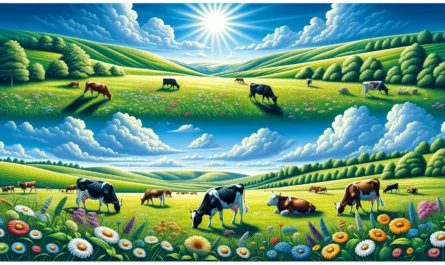
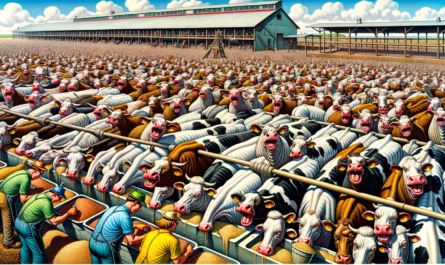
- Intensive Agriculture: High-input, high-output farming systems characterized by intensive land use, mechanization, fertilization, pest control, and specialization, aimed at maximizing productivity and profitability.
- Extensive Agriculture: Low-input, low-output farming systems that rely on large land areas, minimal inputs, and extensive grazing or cultivation, suitable for regions with ample land resources and low population density.
- Organic Agriculture: Farming practices that avoid synthetic chemicals, genetically modified organisms (GMOs), and artificial additives, focusing on soil health, biodiversity, and ecological sustainability.
Challenges and Opportunities: Crop production faces various challenges, including climate change, water scarcity, soil degradation, pests and diseases, market volatility, and resource constraints. However, these challenges also present opportunities for innovation, adaptation, diversification, and sustainable intensification to meet the growing demand for food, feed, and fiber while conserving natural resources and mitigating environmental impacts.
Conclusion: Crops are the foundation of agriculture and human civilization, providing sustenance, livelihoods, and economic development to communities around the world. By adopting sustainable practices, promoting resilience, and enhancing value chains, crop producers can contribute to food security, poverty alleviation, and environmental conservation for present and future generations.
References:
- Godfray, H. C. J., et al. (2010). Food security: The challenge of feeding 9 billion people. Science, 327(5967), 812-818.
- Tilman, D., & Clark, M. (2014). Global diets link environmental sustainability and human health. Nature, 515(7528), 518-522.
- Foley, J. A., et al. (2011). Solutions for a cultivated planet. Nature, 478(7369), 337-342.
Originally posted 2008-03-18 03:36:33.
Searching for some good ol' Farm-tastic Fun, Udderly Hilarious Dairy Tales, Insightful Ranching Revelations, and Rip-roaring Rodeo Antics?