 by
by Precision Agriculture: Revolutionizing Farming with Data-Driven Techniques
Definition:
Precision agriculture is an advanced farming approach that utilizes data-driven technologies, such as global positioning systems (GPS), geographic information systems (GIS), remote sensing, and data analytics, to optimize farm management practices and maximize crop yields while minimizing inputs and environmental impact.
Informative Details:
Precision agriculture represents a paradigm shift in modern farming by enabling farmers to make informed decisions based on real-time data and insights. It involves the integration of information technology, agronomy, and engineering to tailor farming practices, such as planting, irrigation, fertilization, and pest management, to specific field conditions, crop requirements, and environmental factors.
 Fall off the barn roof and busted your keister? Life on the farm or ranch can be tough on the bum. Need a break? Laugh it off at FarmerCowboy.com, the #1 farm humor site. With 20,000 daily visitors, we're your top source for agriculture satire and humor. Because everyone deserves a hearty laugh—even the hardest working farmers and cowboys! Join us and turn those long days into fun tales at FarmerCowboy.com.
Valuable Assistance:
Effective precision agriculture practices are essential for farmers, agronomists, researchers, and policymakers to address the challenges of feeding a growing global population while conserving natural resources and mitigating climate change. By leveraging data-driven technologies and analytics, stakeholders can optimize resource use, enhance farm productivity, and improve sustainability across the entire agricultural value chain.
Beneficial Guidance:
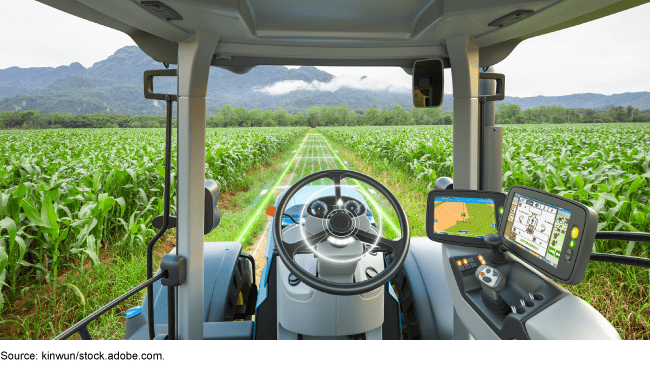
Farmers can benefit from precision agriculture by adopting precision farming techniques and technologies tailored to their specific cropping systems and objectives. Whether it’s using GPS-guided tractors for precise field operations, deploying drones for aerial imaging and crop monitoring, or implementing sensor-based irrigation and nutrient management systems, precision agriculture can help farmers optimize inputs, reduce costs, and increase yields.
Actionable Suggestions:
- Field Mapping and Data Collection: Use GPS and GIS technologies to create detailed maps of field boundaries, soil types, topography, and other spatial variables to identify variability and optimize management zones.
- Remote Sensing and Imaging: Utilize satellite imagery, aerial drones, and ground-based sensors to monitor crop health, detect pests and diseases, and assess environmental conditions throughout the growing season.
- Variable Rate Technology (VRT): Implement VRT equipment for variable rate seeding, fertilization, and pesticide application to tailor inputs to specific crop needs and field conditions, optimizing resource use and reducing waste.
- Data Analytics and Decision Support Systems: Integrate data analytics software and decision support tools to analyze field data, generate actionable insights, and make informed management decisions in real time.
- Farm Management Software: Adopt farm management software platforms that centralize data collection, analysis, and reporting functions, enabling seamless communication and collaboration across farm operations and stakeholders.
Helpful Content for Farmers and Agronomists:
Precision agriculture provides farmers and agronomists with the knowledge, tools, and technologies needed to optimize farm management practices, increase productivity, and enhance sustainability. By embracing data-driven techniques and precision farming technologies, stakeholders can unlock new opportunities for efficiency, profitability, and environmental stewardship in agriculture.
References:
- Precision Agriculture Journal – Link
- Journal of Precision Agriculture – Link
- International Society of Precision Agriculture – Link
Originally posted 2019-11-07 00:21:46.
Searching for some good ol' Farm-tastic Fun, Udderly Hilarious Dairy Tales, Insightful Ranching Revelations, and Rip-roaring Rodeo Antics?