 by
Pest Management
Definition: Pest management refers to the strategies and techniques employed to control and mitigate the adverse effects of pests on agricultural crops and livestock.
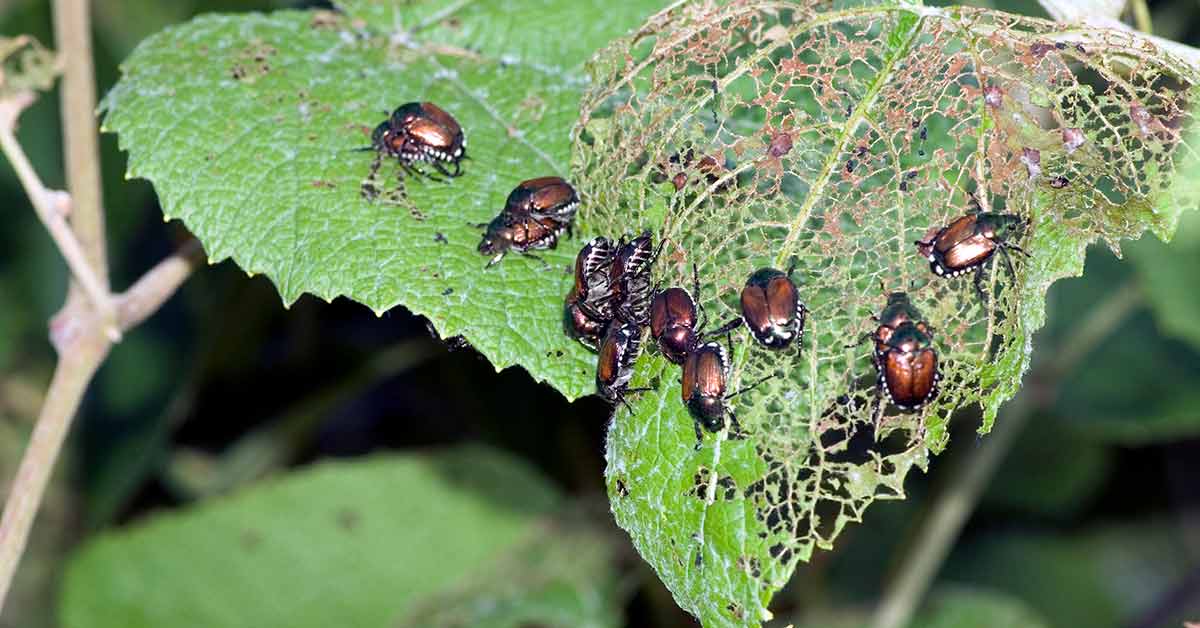
Informative Tips: Pests encompass a wide range of organisms, including insects, weeds, pathogens, and rodents, that can cause significant damage to crops, reduce yields, and threaten food security. Effective pest management is essential for minimizing economic losses and ensuring sustainable agricultural production.
 Fall off the barn roof and busted your keister? Life on the farm or ranch can be tough on the bum. Need a break? Laugh it off at FarmerCowboy.com, the #1 farm humor site. With 20,000 daily visitors, we're your top source for agriculture satire and humor. Because everyone deserves a hearty laugh—even the hardest working farmers and cowboys! Join us and turn those long days into fun tales at FarmerCowboy.com.
Valuable Assistance: Integrated pest management (IPM) is a holistic approach to pest management that integrates multiple control tactics, including cultural, biological, mechanical, and chemical methods, to reduce pest populations and their impact on crops while minimizing risks to human health and the environment.
Practical Advice: Farmers should implement preventive measures to minimize pest infestations, such as crop rotation, sanitation practices, and planting pest-resistant crop varieties. Early detection and monitoring of pest populations are crucial for timely intervention and effective pest control.
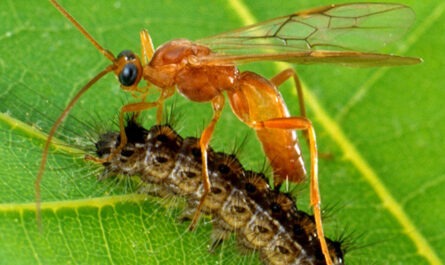
Beneficial Guidance: Biological control methods, such as the introduction of natural enemies or predators of pests, can help suppress pest populations and reduce reliance on chemical pesticides. Additionally, cultural practices like companion planting and habitat manipulation can enhance natural pest control services provided by beneficial insects.
Enlightening Details: Chemical control methods, including the use of insecticides, herbicides, fungicides, and rodenticides, play a role in pest management but should be used judiciously and in accordance with integrated pest management principles to minimize environmental impacts and pesticide resistance.
Actionable Suggestions: Farmers interested in implementing integrated pest management strategies should seek guidance from agricultural extension services, pest management professionals, and research institutions. By adopting a multifaceted approach to pest management, farmers can effectively mitigate pest pressures and sustainably produce high-quality crops.
References:
- United States Environmental Protection Agency. (2020). Integrated Pest Management (IPM) Principles. Link
- National Institute of Food and Agriculture. (2019). Integrated Pest Management (IPM). Link
- Shelton, A. M., & Badenes-Perez, F. R. (2006). Concepts and applications of trap cropping in pest management. Link
Originally posted 2016-08-26 01:27:47.
Searching for some good ol' Farm-tastic Fun, Udderly Hilarious Dairy Tales, Insightful Ranching Revelations, and Rip-roaring Rodeo Antics?