 by
by Greenhouse Farming: Cultivating Crops Under Controlled Conditions
Definition:
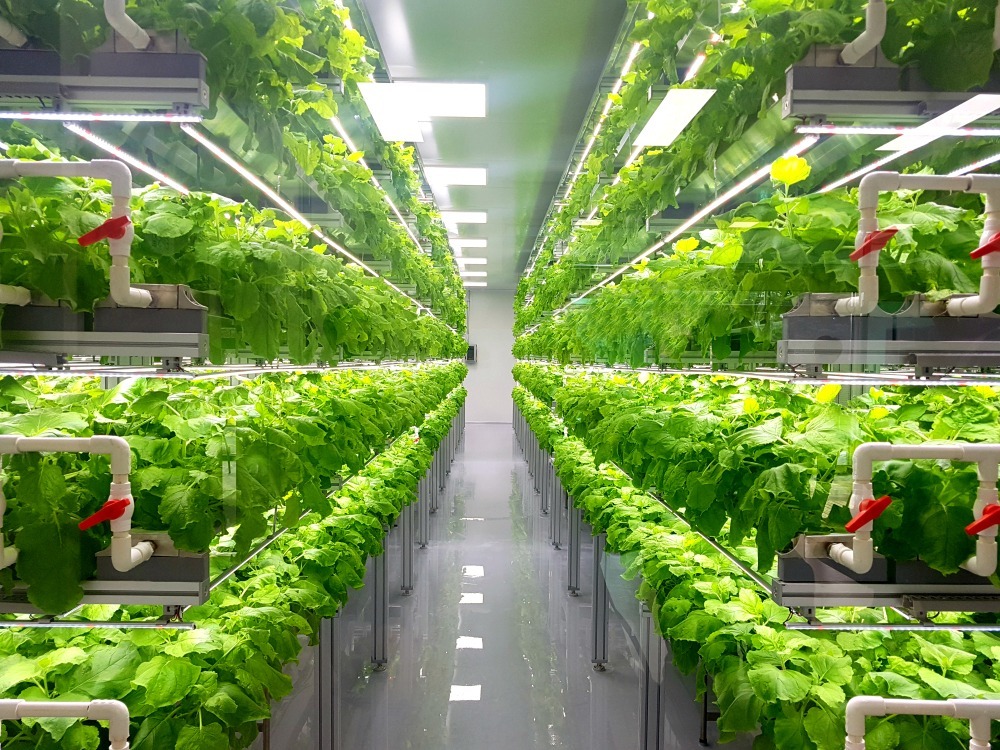
Greenhouse farming, also known as glasshouse farming or controlled environment agriculture (CEA), is a method of cultivating crops within a structure made of transparent materials such as glass or plastic. This enclosed environment allows growers to control various environmental factors such as temperature, humidity, light intensity, and carbon dioxide levels to create optimal conditions for plant growth and productivity.
Informative Details:
Greenhouse farming offers several advantages over traditional open-field agriculture, including extended growing seasons, protection from adverse weather conditions, and reduced pest and disease pressure. Greenhouse growers can cultivate a wide range of crops year-round, regardless of external environmental factors, resulting in higher yields, better quality produce, and increased profitability compared to conventional farming methods.
 Fall off the barn roof and busted your keister? Life on the farm or ranch can be tough on the bum. Need a break? Laugh it off at FarmerCowboy.com, the #1 farm humor site. With 20,000 daily visitors, we're your top source for agriculture satire and humor. Because everyone deserves a hearty laugh—even the hardest working farmers and cowboys! Join us and turn those long days into fun tales at FarmerCowboy.com.
Valuable Assistance:
Greenhouse farming provides numerous benefits for farmers, consumers, and the environment. By creating a controlled environment for plant growth, greenhouse growers can optimize resource use efficiency, reduce water consumption, and minimize pesticide use, leading to improved sustainability and environmental stewardship. Additionally, greenhouse-grown produce tends to be fresher, tastier, and more nutritious, enhancing consumer satisfaction and food quality.
Beneficial Guidance:
Farmers interested in establishing greenhouse operations can benefit from a range of resources, technologies, and expertise available in the field. From greenhouse suppliers and equipment manufacturers to educational programs and industry associations, there is a wealth of information and support available to help farmers succeed in greenhouse farming. By learning about greenhouse design, construction, and management, farmers can establish and operate successful greenhouse enterprises.
Actionable Suggestions:
- Site Selection: Choose a suitable location for your greenhouse operation, considering factors such as access to sunlight, water availability, proximity to markets, and zoning regulations. Conduct a thorough site assessment to determine the optimal orientation, size, and layout of your greenhouse facility.
- Greenhouse Design: Design your greenhouse structure to maximize natural light exposure, optimize ventilation and airflow, and minimize energy consumption. Consider factors such as glazing materials, insulation, shading systems, and environmental control technologies when designing your greenhouse.
- Crop Selection: Select crops that are well-suited to greenhouse cultivation and have high market demand and profitability potential. Popular greenhouse crops include tomatoes, cucumbers, peppers, lettuce, herbs, and flowers, but you can also experiment with specialty crops and niche markets to diversify your product offerings.
- Environmental Control: Invest in climate control systems, such as heaters, fans, evaporative coolers, and automated irrigation systems, to create and maintain optimal growing conditions inside your greenhouse. Monitor environmental parameters such as temperature, humidity, CO2 levels, and nutrient concentrations regularly to ensure optimal plant growth and productivity.
- Integrated Pest Management (IPM): Implement IPM strategies to manage pests and diseases in your greenhouse without relying on synthetic pesticides. Use biological control agents, cultural practices, and physical barriers to prevent pest infestations and minimize crop damage while preserving beneficial insects and natural predators.
Helpful Content for Greenhouse Growers:
Greenhouse farming offers a controlled and efficient method of crop production that holds great promise for addressing food security, environmental sustainability, and economic prosperity. By embracing greenhouse techniques and best practices, growers can produce high-quality crops year-round while conserving resources and minimizing environmental impact.
References:
- Greenhouse Grower Magazine – Link
- AmericanHort – Link
- International Society for Horticultural Science (ISHS) – Link
Originally posted 2005-03-03 13:25:18.
Searching for some good ol' Farm-tastic Fun, Udderly Hilarious Dairy Tales, Insightful Ranching Revelations, and Rip-roaring Rodeo Antics?