 by
by Olive Groves
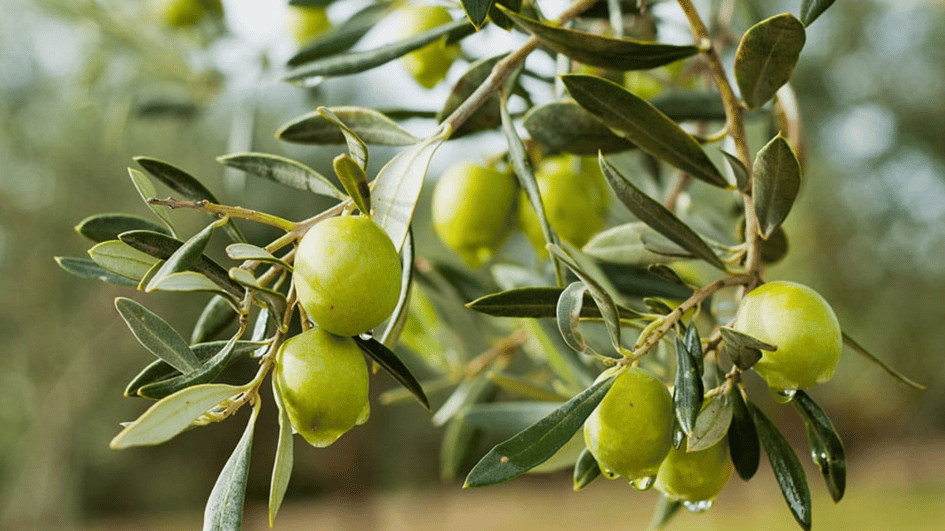
Definition: Olive groves are agricultural areas specifically cultivated for the production of olives, the fruit of the olive tree (Olea europaea).
Informative Tips: Olive farming has a long history, dating back to ancient civilizations in the Mediterranean region. Today, olive groves are found in countries with Mediterranean climates, including Spain, Italy, Greece, Turkey, and Tunisia, as well as in regions with similar environmental conditions.
 Fall off the barn roof and busted your keister? Life on the farm or ranch can be tough on the bum. Need a break? Laugh it off at FarmerCowboy.com, the #1 farm humor site. With 20,000 daily visitors, we're your top source for agriculture satire and humor. Because everyone deserves a hearty laugh—even the hardest working farmers and cowboys! Join us and turn those long days into fun tales at FarmerCowboy.com.
Valuable Assistance: The cultivation of olives requires specific growing conditions, including well-drained soil, ample sunlight, and mild winters. These conditions are typically found in regions with hot, dry summers and cool, wet winters, characteristic of Mediterranean climates.
Practical Advice: When establishing an olive grove, farmers should select suitable olive varieties adapted to their local climate and soil conditions. Varieties may vary in fruit size, oil content, flavor profile, and resistance to pests and diseases.
Beneficial Guidance: Olive trees are known for their longevity and resilience, with some trees living for hundreds of years. Proper orchard management practices, including irrigation, pruning, and pest control, are essential for maintaining healthy olive trees and maximizing yield and quality.
Enlightening Details: Olive farming contributes to sustainable agriculture and environmental conservation by promoting soil health, conserving water resources, and preserving biodiversity in olive-growing regions. Many olive groves are managed using organic or integrated pest management (IPM) practices to minimize environmental impacts.
Actionable Suggestions: Farmers interested in olive farming should conduct thorough research and seek guidance from agricultural extension services, local universities, or experienced olive growers. By investing in proper orchard management, including soil preparation, irrigation infrastructure, and pest management strategies, farmers can establish successful and productive olive groves.
References:
- International Olive Council. (2020). World Olive Oil Figures. Link
- United States Department of Agriculture. (2020). Olive Oil: Background. Link
- FAO. (2018). Olive Tree: Olea europaea. Link
Originally posted 2011-12-10 10:51:46.
Searching for some good ol' Farm-tastic Fun, Udderly Hilarious Dairy Tales, Insightful Ranching Revelations, and Rip-roaring Rodeo Antics?