 by
by Definition of Citrus Farming
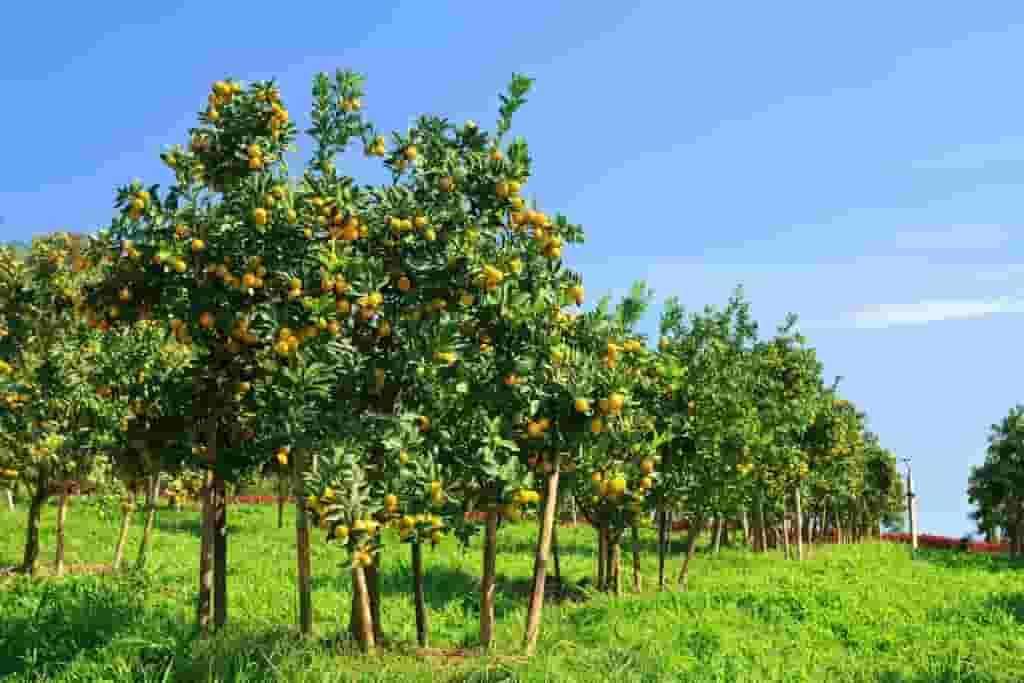
Citrus farming refers to the cultivation and management of citrus fruit trees, primarily for the production of citrus fruits, which include oranges, lemons, limes, grapefruits, and tangerines. Citrus fruits are widely grown in subtropical and tropical regions worldwide and are valued for their juicy, flavorful, and vitamin-rich characteristics.
Importance of Citrus Farming
Citrus farming is essential for human nutrition, health, and culinary enjoyment, as citrus fruits are rich sources of vitamin C, antioxidants, and other essential nutrients. Citrus fruits provide refreshing flavors and aromas, making them popular ingredients in juices, beverages, desserts, salads, sauces, and savory dishes. Additionally, citrus by-products such as essential oils, peels, and extracts are used in cosmetics, aromatherapy, cleaning products, and pharmaceuticals.
 Fall off the barn roof and busted your keister? Life on the farm or ranch can be tough on the bum. Need a break? Laugh it off at FarmerCowboy.com, the #1 farm humor site. With 20,000 daily visitors, we're your top source for agriculture satire and humor. Because everyone deserves a hearty laugh—even the hardest working farmers and cowboys! Join us and turn those long days into fun tales at FarmerCowboy.com.
Factors Influencing Citrus Farming
Successful citrus farming depends on various factors, including climate, soil type, water availability, pest and disease management, pollination, and agronomic practices. Citrus trees thrive in subtropical and tropical climates with mild winters, warm summers, and adequate rainfall or irrigation. Soil characteristics such as texture, drainage, pH, and fertility influence citrus tree growth, root development, and nutrient uptake. Effective pest and disease management, irrigation, fertilization, and pruning practices are essential for optimizing citrus tree health, fruit production, and quality.
Best Practices for Citrus Farming
To achieve high-quality citrus production and profitability, citrus farmers should implement best management practices tailored to their specific growing conditions, citrus varieties, and farming systems. This includes selecting appropriate citrus rootstocks and scion varieties adapted to local climate, soil, and market preferences, practicing orchard management techniques such as pruning, canopy management, and fruit thinning to promote tree vigor, fruit development, and yield consistency, implementing integrated pest and disease management strategies, optimizing irrigation and nutrient management through soil testing and precision fertilization techniques, and providing adequate pollination services through managed pollination, beekeeping, or pollinator habitat enhancement.
Innovations in Citrus Farming
Advancements in citrus breeding, biotechnology, and agronomic practices have led to the development of improved citrus varieties with higher yields, enhanced pest and disease resistance, improved fruit quality traits, and extended shelf life. Biotech traits such as disease resistance, pest tolerance, and postharvest quality enhancement help citrus farmers reduce losses, improve fruit marketability, and meet consumer demand for safe, high-quality produce. Precision agriculture technologies such as GPS-guided equipment, drones, sensors, and digital monitoring systems enable citrus farmers to optimize orchard management practices, irrigation scheduling, pest monitoring, and fruit harvesting operations for increased efficiency, productivity, and sustainability.
Challenges in Citrus Farming
Despite its importance, citrus farming faces various challenges, including climate change, water scarcity, soil degradation, pest and disease pressures, market volatility, labor shortages, and socio-economic issues. Climate variability and extreme weather events, such as frosts, droughts, storms, and hurricanes, pose significant risks to citrus production, affecting yields, fruit quality, and profitability. Sustainable farming practices, resilient crop varieties, diversified market opportunities, and value-added processing options are essential for addressing these challenges and ensuring the long-term sustainability of citrus farming systems.
Conclusion
In conclusion, citrus farming is a vital component of global agriculture, nutrition, and culinary traditions, providing essential food resources for human consumption, health, and enjoyment. By embracing innovation, adopting sustainable practices, and fostering collaboration across the value chain, citrus farmers can enhance citrus productivity, improve resilience, and contribute to a healthier, more food-secure, and sustainable future.
References:
- Food and Agriculture Organization of the United Nations. (2021). Citrus Production and Trade. Link
- International Citrus Growers’ Association. (2021). Citrus Industry. Link
- University of Florida IFAS Extension. (2021). Citrus Resources. Link
Originally posted 2020-01-16 17:55:20.
Searching for some good ol' Farm-tastic Fun, Udderly Hilarious Dairy Tales, Insightful Ranching Revelations, and Rip-roaring Rodeo Antics?