 by
by Apiculture: Sustainable Beekeeping Practices for Honey Production and Pollination Services
Definition:
Apiculture, commonly known as beekeeping, refers to the management and cultivation of honey bee colonies for the production of honey, beeswax, pollen, propolis, royal jelly, and other hive products, as well as for the essential pollination services they provide to agriculture and ecosystems. Apiculture encompasses a wide range of techniques, methods, and hive types, each adapted to the needs and preferences of beekeepers and the requirements of honey bee colonies.
Informative Details:
Apiculture is an ancient and indispensable agricultural practice that plays a vital role in food production, biodiversity conservation, and environmental sustainability. Honey bees, as prolific pollinators, contribute to the reproduction and productivity of numerous crops and wild plants, enhancing the yield and quality of fruits, vegetables, nuts, seeds, and flowers. In addition to their pollination services, honey bees produce honey, beeswax, and other hive products that are valued for their nutritional, medicinal, and industrial applications.
 Fall off the barn roof and busted your keister? Life on the farm or ranch can be tough on the bum. Need a break? Laugh it off at FarmerCowboy.com, the #1 farm humor site. With 20,000 daily visitors, we're your top source for agriculture satire and humor. Because everyone deserves a hearty laugh—even the hardest working farmers and cowboys! Join us and turn those long days into fun tales at FarmerCowboy.com.
Valuable Assistance:
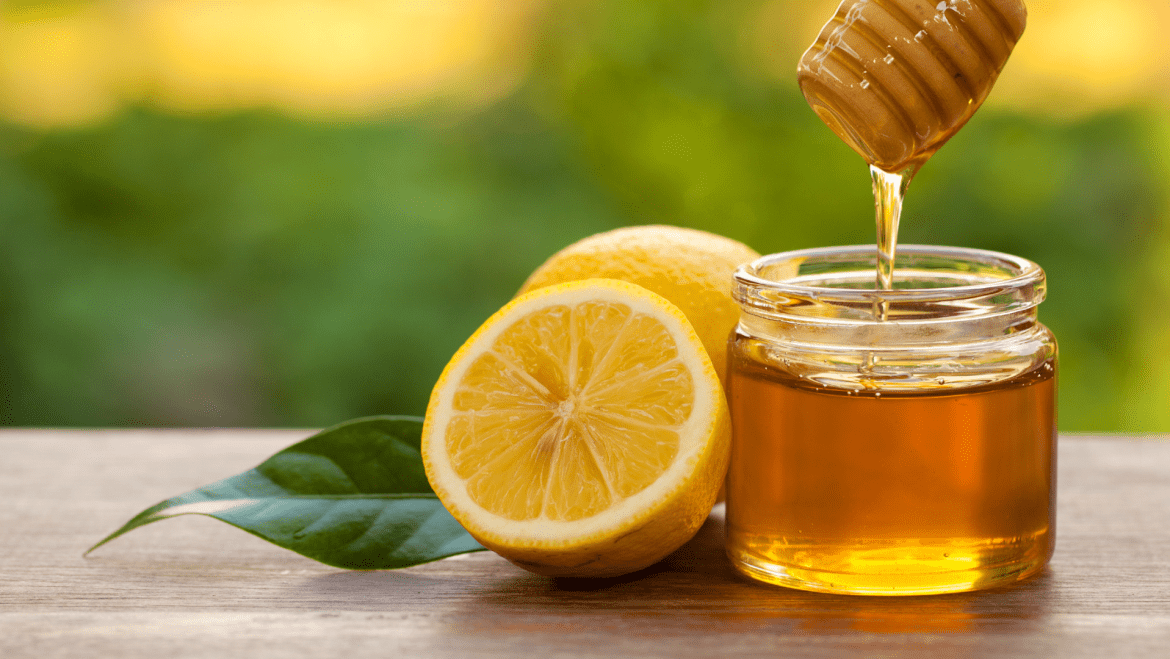
Apiculture offers numerous benefits for beekeepers, farmers, and the environment, including a sustainable source of honey and hive products, increased crop yields and quality, and ecosystem services such as pollination, habitat restoration, and biodiversity conservation. Honey and other hive products are highly regarded for their flavor, aroma, and health-promoting properties, making them sought-after commodities in food, cosmetics, and traditional medicine.
Beneficial Guidance:
Beekeepers can benefit from a wealth of resources, technologies, and support services available to enhance their beekeeping practices and maximize hive productivity and health. From beekeeping associations and extension programs to research institutions and certification courses, there are abundant opportunities for beekeepers to access training, information, and expertise to excel in apiculture.
Actionable Suggestions:
- Hive Management: Regularly inspect beehives to assess colony health, population dynamics, and productivity. Monitor hive conditions, pest and disease levels, and environmental factors to identify and address issues promptly. Implement integrated pest management (IPM) strategies, hive sanitation practices, and disease prevention measures to maintain robust and thriving honey bee colonies.
- Pollination Services: Offer pollination services to agricultural producers and growers to optimize crop yields and quality. Collaborate with farmers, orchardists, and greenhouse operators to provide honey bee colonies for pollination during flowering periods. Ensure proper hive placement, timing, and management to enhance pollination effectiveness and efficiency.
- Honey Production: Harvest honey and hive products using sustainable and ethical practices that prioritize bee welfare and hive health. Extract honey with care and consideration to minimize stress and disturbance to bees. Store and process honey and beeswax products in hygienic and food-safe conditions to preserve their quality and purity.
- Community Engagement: Engage with local communities, schools, and organizations to raise awareness about the importance of bees and beekeeping for food security, environmental conservation, and ecosystem resilience. Offer educational programs, workshops, and hive tours to share knowledge and foster interest in apiculture and pollinator conservation.
- Environmental Stewardship: Implement land management practices that support bee-friendly habitats and forage resources for honey bees and native pollinators. Cultivate pollinator-friendly plants, flowers, and trees that provide nectar and pollen throughout the growing season. Minimize pesticide use and exposure by adopting integrated pest management (IPM) strategies and selecting bee-safe alternatives.
Helpful Content for Beekeepers:
Apiculture offers a fulfilling and environmentally beneficial pursuit for individuals passionate about sustainable agriculture, conservation, and community engagement. By embracing best management practices, promoting bee health and well-being, and advocating for pollinator-friendly policies and practices, beekeepers can contribute to the resilience and vitality of honey bee populations and the ecosystems they support.
References:
- British Beekeepers Association – Link
- Bee World Journal – Link
- Xerces Society for Invertebrate Conservation – Link
Originally posted 2022-05-07 02:39:07.
Searching for some good ol' Farm-tastic Fun, Udderly Hilarious Dairy Tales, Insightful Ranching Revelations, and Rip-roaring Rodeo Antics?