by
by Definition: Bovine
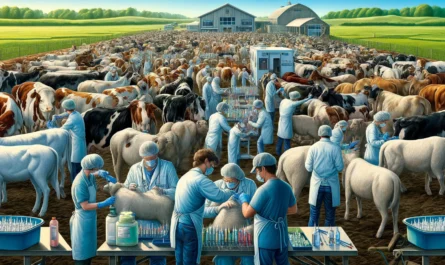
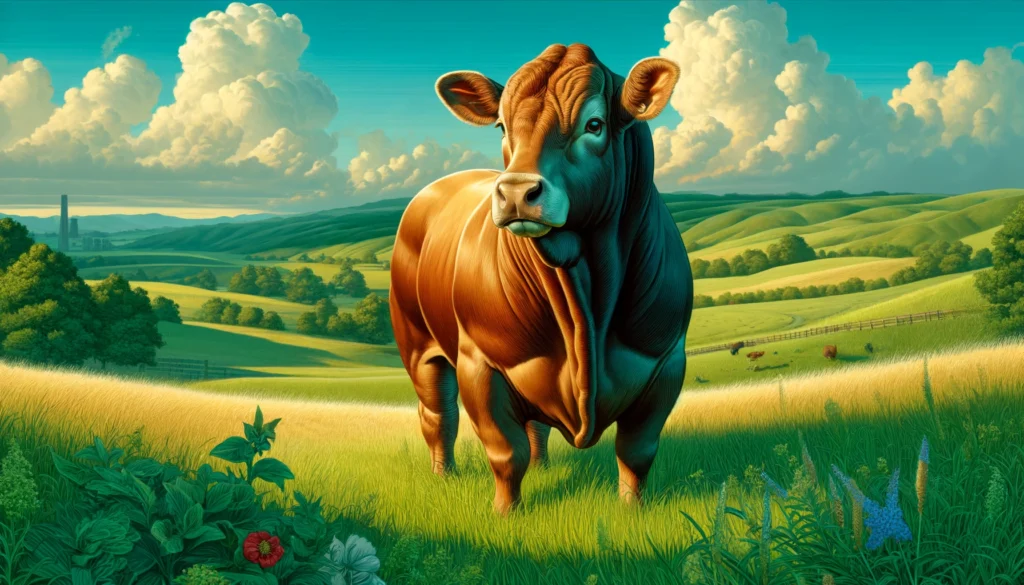
Bovine refers to animals belonging to the subfamily Bovinae, which includes domestic cattle (Bos taurus and Bos indicus), bison, buffalo, and other species. This term is often used interchangeably with “cattle” but encompasses a broader range of species within the Bovinae subfamily.
In-Depth Analysis and Applications
- Species and Classification: Bovinae is a diverse subfamily within the Bovidae family. It includes several genera, with Bos being the most well-known, housing domestic cattle. Other notable members include the American bison (Bison bison), the African buffalo (Syncerus caffer), and the water buffalo (Bubalus bubalis). Each species has adapted to different environments and has unique characteristics.
- Domestication and History: Step-by-Step Guide:
- Initial Domestication: The domestication of bovines began around 10,500 years ago in regions that are now modern-day Turkey and Iran.
- Spread and Adaptation: Over millennia, domesticated bovines spread worldwide, adapting to various climates and agricultural needs.
- Modern Breeds: Selective breeding has resulted in numerous breeds tailored for specific purposes, such as dairy or beef production.
- Economic and Agricultural Importance: Pro Tips:
- Bovine animals are essential for meat, milk, leather, and other by-products.
- Their economic significance extends to various industries, from agriculture to pharmaceuticals.
- Bovine Breeds: Insider Knowledge:
- Dairy Breeds: Holstein-Friesian, Jersey, and Guernsey are known for high milk production.
- Beef Breeds: Angus, Hereford, and Charolais are favored for their superior meat quality.
- Dual-purpose Breeds: Simmental and Shorthorn can be used for both milk and meat production.
Expert Insights:
- Understanding the specific characteristics and needs of each breed is crucial for effective management and productivity.
- Physiology and Anatomy: Bovine animals are ruminants, possessing a complex digestive system with four stomach chambers: the rumen, reticulum, omasum, and abomasum. This system allows them to break down fibrous plant material through microbial fermentation, enabling them to extract nutrients from grasses and other roughage.
- Reproduction and Lifecycle: Best Practices:
- Breeding: Bovines reach sexual maturity at around one year of age. Breeding practices vary but often involve artificial insemination (AI) to enhance genetic traits.
- Gestation and Calving: The gestation period for bovines is about nine months, usually resulting in a single calf. Proper care during pregnancy and calving is essential for the health of both the cow and the calf.
- Behavior and Social Structure: How-to Tutorials:
- Understanding Bovine Behavior: Bovine animals are social and form complex social structures within herds. Recognizing and managing these behaviors is crucial for effective herd management.
- Handling Techniques: Using low-stress handling techniques can improve bovine welfare and productivity.
- Environmental and Ethical Considerations: Sustainable Practices:
- Implement rotational grazing to maintain pasture health and reduce environmental impact.
- Use efficient water and feed management systems to conserve resources.
Innovative Techniques:
- Precision agriculture technologies can monitor bovine health and pasture conditions in real-time, enhancing sustainability.
- Cultural and Societal Roles: Bovines hold cultural significance in many societies. In India, cattle are revered and protected in Hindu traditions. In the American West, the image of cattle and bison is iconic, representing the frontier spirit. Bovines are also central to various festivals, rituals, and traditional practices around the world.
- Challenges and Future Directions:
- Health Management: Advances in veterinary care and disease prevention are essential for maintaining healthy bovine populations.
- Sustainability: Developing sustainable practices for raising bovines is crucial for the future of cattle farming.
- Genetic Improvement: Continued focus on genetic selection for traits such as growth efficiency, disease resistance, and productivity is important.
- Market Dynamics: The economic viability of raising bovines depends on market conditions, including demand for meat and dairy products and the costs of feed and healthcare.
- Industry Trends:
- Precision Agriculture: The use of technology in monitoring and managing bovine health and growth is increasing.
- Genomics: Advances in genomics are improving the selection process for breeding bovines with desirable traits.
- Welfare Standards: Enhanced animal welfare standards and practices are becoming more prevalent, driven by consumer demand and regulatory requirements.
- Global Trade: The trade of bovines and genetic material across borders is contributing to global improvement in cattle herds.
Resources for Further Exploration:
Originally posted 2024-06-11 03:28:25.
 Fall off the barn roof and busted your keister? Life on the farm or ranch can be tough on the bum. Need a break? Laugh it off at FarmerCowboy.com, the #1 farm humor site. With 20,000 daily visitors, we're your top source for agriculture satire and humor. Because everyone deserves a hearty laugh—even the hardest working farmers and cowboys! Join us and turn those long days into fun tales at FarmerCowboy.com.
Searching for some good ol' Farm-tastic Fun, Udderly Hilarious Dairy Tales, Insightful Ranching Revelations, and Rip-roaring Rodeo Antics?