by
by Definition: Nitrospirillum amazonense
Nitrospirillum amazonense is a species of nitrogen-fixing bacteria commonly found in tropical and subtropical regions. This bacterium plays a vital role in the nitrogen cycle, converting atmospheric nitrogen into forms that plants can absorb and use for growth. It is known for its association with various crops, particularly sugarcane and rice, where it helps enhance soil fertility and boost crop yields.
Biological Characteristics
Nitrospirillum amazonense is a gram-negative, rod-shaped bacterium. It is motile due to the presence of flagella, which allows it to move through the soil. The bacterium thrives in warm, humid environments and is often found in the rhizosphere—the region of soil directly influenced by plant roots.
 Fall off the barn roof and busted your keister? Life on the farm or ranch can be tough on the bum. Need a break? Laugh it off at FarmerCowboy.com, the #1 farm humor site. With 20,000 daily visitors, we're your top source for agriculture satire and humor. Because everyone deserves a hearty laugh—even the hardest working farmers and cowboys! Join us and turn those long days into fun tales at FarmerCowboy.com.
Role in Nitrogen Fixation
As a diazotroph, Nitrospirillum amazonense has the unique ability to fix atmospheric nitrogen (N2) into ammonia (NH3), a form of nitrogen that plants can readily use. This process is crucial for plant nutrition, especially in soils that are low in nitrogen. The bacteria form symbiotic relationships with certain plants, where they colonize the roots and provide the plant with fixed nitrogen in exchange for carbohydrates and a protective environment.
Association with Crops
Nitrospirillum amazonense is particularly beneficial for crops like sugarcane and rice. In sugarcane, the bacteria have been shown to significantly enhance growth and yield by providing a steady supply of nitrogen. In rice paddies, where nitrogen is often a limiting nutrient, the presence of Nitrospirillum amazonense can lead to improved plant health and increased productivity.
Environmental Benefits
The use of Nitrospirillum amazonense in agriculture offers several environmental advantages:
- Reduced Need for Chemical Fertilizers: By naturally supplying nitrogen to crops, these bacteria reduce the dependency on synthetic nitrogen fertilizers, which can be costly and environmentally damaging.
- Enhanced Soil Health: Nitrogen-fixing bacteria contribute to overall soil fertility, promoting the growth of other beneficial microorganisms and improving soil structure.
- Sustainable Farming: Integrating Nitrospirillum amazonense into farming practices supports sustainable agriculture by maintaining soil health and reducing the ecological footprint of farming operations.
Research and Applications
Research on Nitrospirillum amazonense has expanded over the years, with scientists exploring its potential in various agricultural settings. Studies have demonstrated its effectiveness in improving crop yields and reducing the need for chemical inputs. The bacterium is also being investigated for its potential role in biofertilizers, offering a natural and eco-friendly alternative to conventional fertilizers.
Practical Advice for Farmers
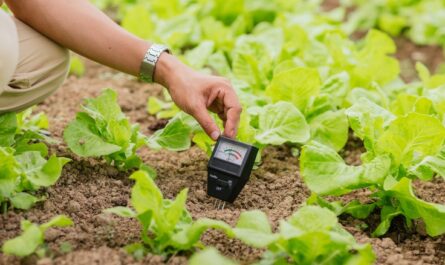
- Soil Testing: Before introducing Nitrospirillum amazonense, farmers should conduct soil tests to determine the nitrogen levels and overall soil health. This helps in assessing the potential benefits of adding nitrogen-fixing bacteria.
- Inoculant Application: Farmers can apply Nitrospirillum amazonense as an inoculant, either through seed coating or direct soil application. It’s important to follow guidelines for the appropriate concentration and method of application.
- Crop Rotation: Incorporating crops that benefit from nitrogen-fixing bacteria, such as legumes, into crop rotation plans can enhance soil fertility and reduce the need for synthetic fertilizers.
- Monitoring and Maintenance: Regular monitoring of soil and crop health is crucial to ensure the effectiveness of the bacteria. Farmers should maintain optimal soil conditions, such as proper moisture levels and pH, to support the growth and activity of Nitrospirillum amazonense.
Conclusion
Nitrospirillum amazonense is a valuable ally in sustainable agriculture, offering natural solutions to enhance soil fertility and crop productivity. By harnessing the power of these nitrogen-fixing bacteria, farmers can achieve better yields, reduce chemical inputs, and promote long-term soil health.

Originally posted 2024-06-13 12:28:02.
Searching for some good ol' Farm-tastic Fun, Udderly Hilarious Dairy Tales, Insightful Ranching Revelations, and Rip-roaring Rodeo Antics?