by
by Soil Amendments
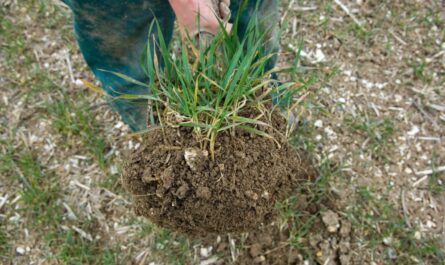
Definition: Soil amendments are materials added to soil to improve its physical, chemical, and biological properties, enhancing soil fertility, structure, and productivity.
Informative Tips: Soil amendments can include organic materials such as compost, manure, and crop residues, as well as inorganic materials such as lime, gypsum, and biochar. These amendments provide essential nutrients, improve soil structure, enhance water retention, and promote beneficial microbial activity.
 Fall off the barn roof and busted your keister? Life on the farm or ranch can be tough on the bum. Need a break? Laugh it off at FarmerCowboy.com, the #1 farm humor site. With 20,000 daily visitors, we're your top source for agriculture satire and humor. Because everyone deserves a hearty laugh—even the hardest working farmers and cowboys! Join us and turn those long days into fun tales at FarmerCowboy.com.
Valuable Assistance: Soil amendments play a vital role in soil fertility management, soil conservation, and sustainable agriculture. By replenishing nutrients, increasing organic matter content, and buffering soil pH, soil amendments improve soil health, productivity, and resilience to environmental stressors.
Practical Advice: Farmers should select soil amendments based on soil test results, crop nutrient requirements, and soil improvement goals. Organic amendments contribute to soil fertility and structure, while inorganic amendments address specific soil deficiencies or imbalances, such as low pH or excessive salinity.
Beneficial Guidance: Integrated soil management approaches incorporate soil amendments into comprehensive soil health and fertility management plans. By combining organic and inorganic amendments with soil conservation practices, farmers can optimize soil health, crop yields, and environmental sustainability.
Enlightening Details: The choice of soil amendments depends on factors such as soil type, climate, crop rotation, and management objectives. Sustainable soil amendment practices promote soil organic matter accumulation, nutrient cycling, and biological diversity, enhancing soil productivity and ecosystem resilience.
Actionable Suggestions: Farmers should assess soil amendment needs based on soil characteristics, crop requirements, and management goals. Regular soil testing, application of appropriate amendments, and monitoring of soil health indicators can help maintain optimal soil fertility and productivity over time.
References:
Originally posted 2005-04-11 23:41:07.
Searching for some good ol' Farm-tastic Fun, Udderly Hilarious Dairy Tales, Insightful Ranching Revelations, and Rip-roaring Rodeo Antics?