 by
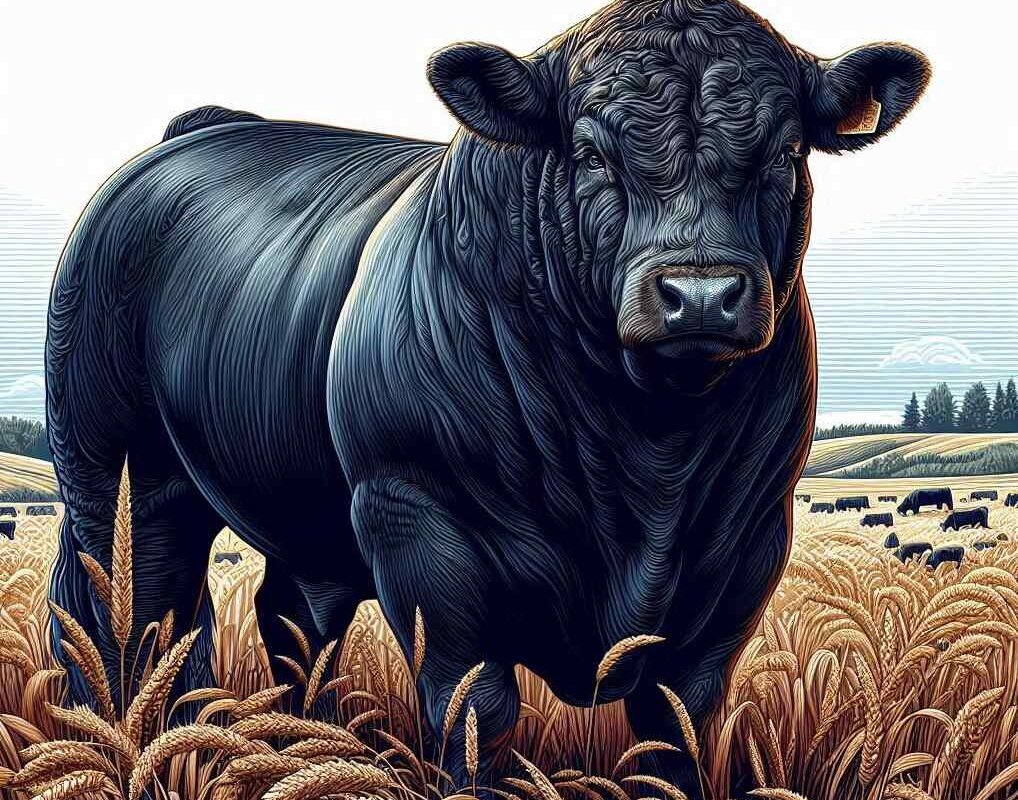
by A herd sire is a male animal that is used for breeding within a herd of livestock. This animal is chosen for its superior genetics and desirable traits to improve the overall quality and performance of the herd.
In-Depth Analysis and Applications
Overview: The herd sire plays a pivotal role in livestock breeding programs. By selecting a high-quality sire, farmers can enhance traits such as growth rate, fertility, disease resistance, and overall productivity in their livestock.
 Fall off the barn roof and busted your keister? Life on the farm or ranch can be tough on the bum. Need a break? Laugh it off at FarmerCowboy.com, the #1 farm humor site. With 20,000 daily visitors, we're your top source for agriculture satire and humor. Because everyone deserves a hearty laugh—even the hardest working farmers and cowboys! Join us and turn those long days into fun tales at FarmerCowboy.com.
Importance of a Herd Sire:
- Genetic Improvement: Herd sires pass on half of the genetic material to their offspring, making their selection critical for genetic improvement.
- Performance Traits: Superior sires can enhance traits such as growth rate, carcass quality, milk production, and reproductive efficiency.
- Economic Value: Quality herd sires can significantly boost the economic returns of a livestock operation by producing offspring with desirable traits.
Selection Criteria: Step-by-Step Guide:
- Define Objectives: Identify the traits you want to improve in your herd (e.g., growth rate, fertility, disease resistance).
- Evaluate Genetics: Examine the genetic background of potential sires, including pedigree and genetic testing results.
- Assess Performance: Review the performance records of potential sires, including growth rates, reproductive success, and health history.
- Consider Temperament: Choose sires with good temperament to ensure ease of handling and safety.
- Select the Sire: Make a final selection based on the above criteria, ensuring the sire complements the genetic traits of the dams in the herd.
Pro Tips:
- Use multiple herd sires to maintain genetic diversity and reduce the risk of inbreeding.
- Regularly update your selection criteria based on evolving herd performance and market demands.
Applications in Livestock Production:
- Dairy Cattle: Herd sires are selected for traits like high milk production, fertility, and udder health.
- Beef Cattle: Focus on growth rate, feed efficiency, and carcass quality.
- Sheep and Goats: Improve wool quality, meat yield, and reproductive efficiency.
- Pigs: Enhance litter size, growth rate, and meat quality.
- Poultry: Select for egg production, meat quality, and disease resistance.
Economic Impact: The selection of high-quality herd sires can lead to significant economic benefits, including increased productivity, better marketability of offspring, and improved overall herd performance.
Challenges and Considerations:
- Genetic Diversity: Maintain genetic diversity by using a variety of sires and avoiding over-reliance on a single genetic line.
- Health Management: Ensure herd sires receive proper nutrition, healthcare, and management to maintain their reproductive performance and overall health.
- Data Accuracy: Keep accurate records of performance and genetic data to make informed selection decisions.
Environmental Considerations: Choosing herd sires with traits like feed efficiency and disease resistance can help reduce the environmental impact of livestock farming by improving resource use and overall herd health.
Future Directions:
- Genomic Selection: Leveraging advances in genomic technologies to enhance the accuracy and effectiveness of sire selection.
- Sustainable Breeding: Developing breeding strategies that balance productivity with environmental sustainability.
- Technology Integration: Utilizing precision agriculture tools to monitor sire performance and health more effectively.
Industry Trends:
- Genetic Improvement: Ongoing focus on genetic research to identify and propagate desirable traits.
- Global Trade: Increasing trade of genetic material and herd sires across borders to improve livestock quality worldwide.
- Welfare Standards: Enhancing animal welfare practices in sire management to ensure ethical treatment and health.
Resources for Further Exploration:

Originally posted 2024-06-11 04:34:19.
Searching for some good ol' Farm-tastic Fun, Udderly Hilarious Dairy Tales, Insightful Ranching Revelations, and Rip-roaring Rodeo Antics?