
 by
by Definition: Livestock Marketing
Overview
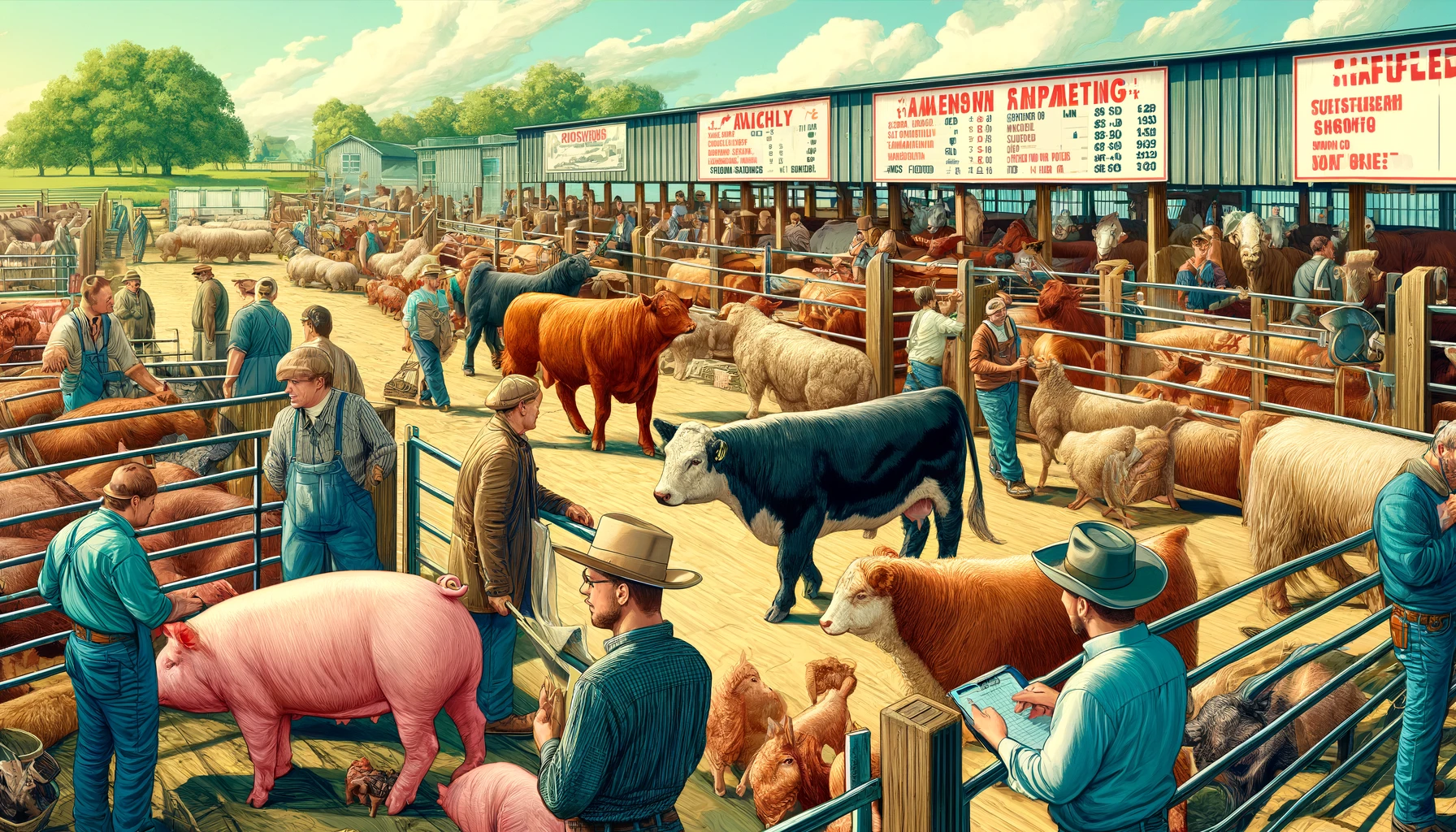
Livestock marketing involves the processes and strategies used to promote and sell livestock products, including meat, dairy, wool, and live animals. Effective marketing encompasses a range of activities, from identifying target markets and setting competitive prices to advertising and building relationships with buyers. Successful livestock marketing helps farmers and ranchers maximize their profits, reach broader audiences, and maintain a sustainable business.
Benefits of Effective Livestock Marketing
Increased Revenue
Effective marketing strategies can lead to higher sales and increased revenue. By identifying and targeting the right markets, farmers can ensure that their products meet the demands of consumers, leading to more profitable transactions.
 Fall off the barn roof and busted your keister? Life on the farm or ranch can be tough on the bum. Need a break? Laugh it off at FarmerCowboy.com, the #1 farm humor site. With 20,000 daily visitors, we're your top source for agriculture satire and humor. Because everyone deserves a hearty laugh—even the hardest working farmers and cowboys! Join us and turn those long days into fun tales at FarmerCowboy.com.
Market Expansion
Livestock marketing enables farmers to reach new and broader markets. By leveraging different marketing channels, such as online platforms, farmers’ markets, and direct-to-consumer sales, producers can expand their customer base and increase their market presence.
Enhanced Brand Recognition
Building a strong brand through consistent and effective marketing efforts helps enhance recognition and reputation. A well-recognized brand can attract loyal customers, differentiate products from competitors, and establish a positive image in the marketplace.
Components of Livestock Marketing
Market Research
Conducting thorough market research is essential for understanding consumer preferences, market trends, and competitive landscapes. This information helps farmers make informed decisions about product offerings, pricing, and promotional strategies.
Pricing Strategy
Setting the right price is crucial for attracting buyers while ensuring profitability. Pricing strategies should consider production costs, market demand, and competitive pricing. Offering value-added products or premium quality can justify higher prices and attract niche markets.
Advertising and Promotion
Advertising and promotion are key components of livestock marketing. Effective advertising strategies include online marketing, social media campaigns, print advertisements, and participation in agricultural fairs and exhibitions. Promotions such as discounts, loyalty programs, and special offers can also boost sales.
Techniques for Effective Livestock Marketing
Direct-to-Consumer Sales
Direct-to-consumer sales involve selling products directly to end consumers without intermediaries. This can be done through farmers’ markets, on-farm sales, online platforms, and subscription services. Direct sales allow farmers to retain more profit and build strong relationships with customers.
Value-Added Products
Creating value-added products, such as organic meat, artisanal cheese, or specialty wool, can attract niche markets and command higher prices. Value-added products differentiate offerings and cater to specific consumer preferences.
Branding and Packaging
Developing a strong brand and attractive packaging helps products stand out in the marketplace. A clear and appealing brand identity, along with informative and visually appealing packaging, can enhance product appeal and consumer trust.
Economic Considerations
Marketing Costs
Marketing activities involve costs such as advertising, packaging, market research, and promotional materials. While these expenses can be significant, they are necessary investments for reaching and attracting customers. Effective budgeting and cost management are essential for maximizing the return on marketing investments.
Return on Investment
Conducting a cost-benefit analysis helps farmers assess the return on investment for marketing efforts. This analysis should consider factors such as increased sales, market expansion, brand recognition, and customer loyalty. Tracking and measuring marketing performance can guide future strategies and improve outcomes.
Environmental Impact
Sustainable Marketing Practices
Sustainable marketing practices promote environmentally friendly and ethically produced products. Highlighting sustainable farming practices, such as organic production, animal welfare, and eco-friendly packaging, can attract environmentally conscious consumers and enhance brand reputation.
Reducing Carbon Footprint
Adopting marketing strategies that reduce the carbon footprint, such as local marketing and minimizing transportation, contributes to environmental sustainability. Encouraging local consumption and supporting community-based marketing initiatives can also strengthen local economies.
Case Studies
Case Study 1: Successful Direct-to-Consumer Beef Sales
A beef cattle farm in Colorado implemented a direct-to-consumer marketing strategy by selling beef cuts through their farm store and online platform. By promoting their grass-fed, hormone-free beef, they attracted health-conscious consumers and increased their sales revenue by 30% in the first year.
Case Study 2: Branding Organic Dairy Products
An organic dairy farm in Wisconsin developed a strong brand identity for their dairy products, emphasizing their commitment to animal welfare and organic practices. By participating in farmers’ markets and leveraging social media, they built a loyal customer base and expanded their market reach, resulting in a 25% increase in sales.
Conclusion
Livestock marketing is a vital aspect of agricultural business that directly impacts profitability and sustainability. By employing effective marketing strategies, conducting thorough market research, and building strong brands, farmers and ranchers can successfully promote and sell their products. Understanding the components, techniques, and benefits of livestock marketing allows producers to make informed decisions and achieve greater success in the marketplace. As consumer preferences continue to evolve, staying adaptable and innovative in marketing approaches will remain crucial for long-term success.
Originally posted 2019-05-12 10:36:27.
Searching for some good ol' Farm-tastic Fun, Udderly Hilarious Dairy Tales, Insightful Ranching Revelations, and Rip-roaring Rodeo Antics?


