 by
by Goat
Definition:
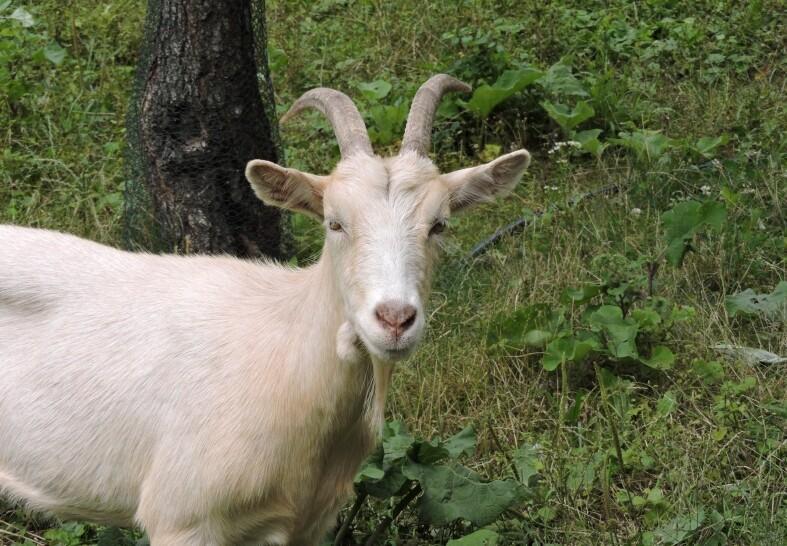
A goat is a domesticated ruminant mammal, specifically of the species Capra aegagrus hircus, raised and managed in agricultural settings primarily for milk production, meat consumption, fiber harvesting, or brush control. Goats are versatile livestock animals, known for their adaptability, browsing behavior, and productive capabilities, contributing to goat farming, dairy industry, and livestock agriculture worldwide.
Description:
Goats play a significant role in agriculture, providing milk, meat, fiber, or ecological services for human needs, dietary preferences, and environmental management. Goats exhibit diverse breeds, genetics, and production systems, adapted to various climates, landscapes, and management practices in goat-producing regions.
 Fall off the barn roof and busted your keister? Life on the farm or ranch can be tough on the bum. Need a break? Laugh it off at FarmerCowboy.com, the #1 farm humor site. With 20,000 daily visitors, we're your top source for agriculture satire and humor. Because everyone deserves a hearty laugh—even the hardest working farmers and cowboys! Join us and turn those long days into fun tales at FarmerCowboy.com.
Characteristics of Goats:
Goats possess various physical and behavioral characteristics, including:
- Adaptability: Goats are adaptable to various environmental conditions, climates, or terrains, thriving in diverse habitats, such as mountains, deserts, or pastures, exhibiting resilience, hardiness, and foraging abilities to utilize natural resources, such as grasses, shrubs, or browse plants.
- Browsing Behavior: Goats are browsers, preferring woody plants, shrubs, or tree leaves as dietary staples, exhibiting selective grazing habits, exploring diverse vegetation types, and utilizing their prehensile lips, agile movements, and browsing instincts to access nutritious forage resources.
- Productive Capabilities: Goats are productive animals, capable of producing milk, meat, or fiber products for human consumption, commercial markets, or industrial applications, with variations in production traits, such as milk yield, meat quality, or fiber fineness, among different goat breeds or genetic lines.
- Reproductive Efficiency: Goats have high reproductive rates, with does capable of kidding multiple offspring per breeding cycle, exhibiting short gestation periods, prolific breeding abilities, and early sexual maturity, contributing to efficient herd growth, genetic selection, or breeding management in goat populations.
Uses of Goats:
Goats serve various purposes in agriculture and livestock management, including:
- Milk Production: Dairy goats are raised for milk production, supplying goat’s milk, a nutritious, flavorful dairy product, used for cheese making, yogurt production, or specialty dairy products, such as butter, ice cream, or fermented milk beverages, supporting dairy farming and artisanal cheesemaking sectors.
- Meat Production: Goats provide goat meat, known as chevon or capretto, harvested for human consumption, culinary purposes, or food processing industries, supplying fresh, frozen, or processed goat cuts, such as goat chops, goat stew meat, or goat curry, for diverse cuisines, ethnic dishes, or cultural specialties.
- Fiber Harvesting: Angora goats produce mohair, a luxurious fiber, harvested from their fleece or coats, used for textile manufacturing, spinning, weaving, or knitting into mohair products, such as clothing, blankets, or upholstery, prized for its softness, luster, and insulating properties in luxury textiles.
- Brush Control: Goats are utilized for brush control or vegetation management purposes, grazing on invasive plants, noxious weeds, or overgrown vegetation in pastures, rangelands, or natural habitats, providing ecological services, weed suppression, or fire prevention benefits in environmental restoration projects.
Conclusion:
Goats are valuable assets in agriculture, providing milk, meat, fiber, or ecological services for human needs, dietary preferences, and environmental management. By raising goats responsibly, promoting sustainable farming practices, and harnessing the potential of goat products, farmers, producers, and consumers can benefit from the versatility, productivity, and adaptability of goats in diverse agricultural systems.
References:
- Dubeuf, J. P., et al. (2010). Current situation and future prospects for goat production in the world. Small Ruminant Research, 89(2-3), 167-170.
- Haenlein, G. F. W., & Caccese, R. (2014). The goat dairy sector: The case of the United States. Small Ruminant Research, 121(1), 12-14.
Originally posted 2013-10-20 02:17:52.
Searching for some good ol' Farm-tastic Fun, Udderly Hilarious Dairy Tales, Insightful Ranching Revelations, and Rip-roaring Rodeo Antics?