 by
by Bee Foundation
Definition
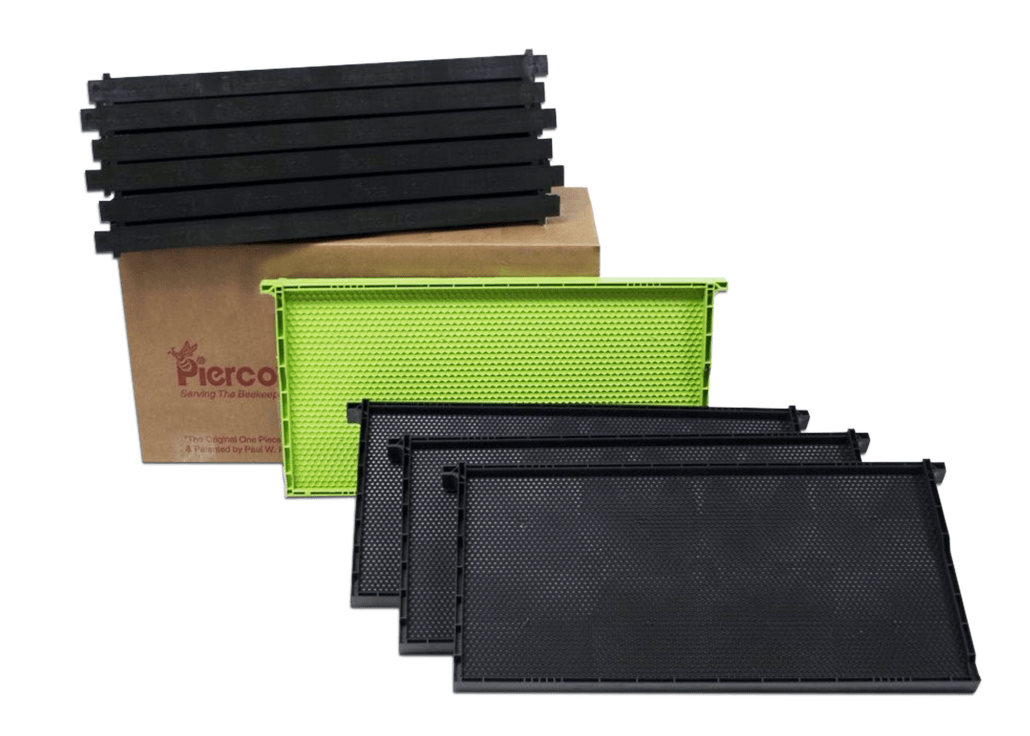
Bee foundation, also known as honeycomb foundation or beeswax foundation, is a thin sheet of beeswax or synthetic material embossed with a hexagonal pattern that serves as a template for bees to build honeycomb cells within a beehive. Bee foundation is attached to wooden or plastic frames and provides a starting point for bees to construct honeycomb, facilitating honey production, brood rearing, and hive management in beekeeping operations.
Types
There are several types of bee foundation commonly used in beekeeping:
 Fall off the barn roof and busted your keister? Life on the farm or ranch can be tough on the bum. Need a break? Laugh it off at FarmerCowboy.com, the #1 farm humor site. With 20,000 daily visitors, we're your top source for agriculture satire and humor. Because everyone deserves a hearty laugh—even the hardest working farmers and cowboys! Join us and turn those long days into fun tales at FarmerCowboy.com.
- Beeswax Foundation: Traditional foundation made from sheets of natural beeswax obtained from beehives. Beeswax foundation is preferred by many beekeepers for its natural scent and acceptance by bees.
- Plastic Foundation: Synthetic foundation made from durable plastic materials, such as polyethylene or polystyrene, that mimic the hexagonal pattern of beeswax comb. Plastic foundation is often used as a cost-effective alternative to beeswax foundation and may be more resistant to pests and diseases.
Functions
Bee foundation serves several important functions within the beehive:
- Guide for Comb Construction: Bee foundation provides bees with a guide for building honeycomb cells in a uniform and orderly manner. The embossed hexagonal pattern on the foundation mimics the natural cell structure built by bees in the wild, encouraging bees to build straight, uniform comb.
- Honey Production: Bee foundation facilitates honey production by providing bees with a framework for storing honey. Bees fill the cells of the foundation with nectar, which is then ripened into honey and capped with beeswax by the bees.
- Brood Rearing: Bee foundation supports the development of bee brood, including eggs, larvae, and pupae. Bees use cells on the foundation to rear brood, with worker bees feeding and caring for developing larvae until they emerge as adult bees.
- Hive Management: Beekeepers use foundation to manipulate hive organization and structure, such as by adding or removing frames with foundation to control the size of the brood nest, manage honey production, or prevent swarming.
Installation
Bee foundation is installed into wooden or plastic frames using various methods, including:
- Wiring: Thin wires are embedded into the foundation to provide additional support and stability, particularly for larger frames or heavy honey loads.
- Embedding: Foundation is heated and pressed onto frame wires or rods, securing it in place and preventing sagging or warping during use.
- Waxing: Beeswax is melted and applied to the wooden frame, then the foundation is pressed onto the wax-coated surface to adhere it securely.
Conclusion
Bee foundation is an essential component of modern beekeeping equipment, providing bees with a starting point for honeycomb construction and facilitating hive management and honey production activities. By understanding the types, functions, and installation methods of bee foundation, beekeepers can effectively manage their hives, promote colony health and productivity, and harvest high-quality honey products.
Originally posted 2014-09-23 16:10:35.
Searching for some good ol' Farm-tastic Fun, Udderly Hilarious Dairy Tales, Insightful Ranching Revelations, and Rip-roaring Rodeo Antics?


