 by
by Aquaponics
Definition:
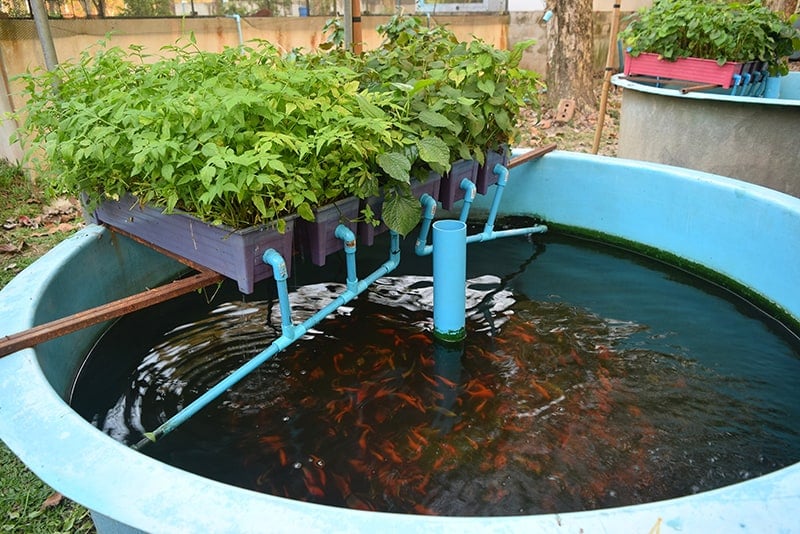
Aquaponics is a sustainable food production system that integrates aquaculture (fish farming) with hydroponics (soilless plant cultivation) in a recirculating ecosystem, where fish and plants mutually benefit from each other’s waste products. In aquaponic systems, fish waste provides nutrients for plant growth, while plants filter and purify water for fish, creating a symbiotic relationship that maximizes resource use efficiency, minimizes waste, and produces both fish and vegetables in a closed-loop, controlled environment.
Description:
Aquaponic systems combine aquaculture and hydroponics into a single integrated system, where fish tanks or ponds are connected to plant beds or grow beds through recirculating water channels or gravity-fed systems. Fish waste, uneaten feed, and ammonia-rich water from fish tanks are pumped or circulated to plant roots in grow beds, where beneficial bacteria convert ammonia into nitrites and nitrates, essential nutrients for plant growth. Plants absorb nutrients, filter water, and return clean water back to fish tanks, completing the nutrient cycle and maintaining water quality in aquaponic ecosystems.
 Fall off the barn roof and busted your keister? Life on the farm or ranch can be tough on the bum. Need a break? Laugh it off at FarmerCowboy.com, the #1 farm humor site. With 20,000 daily visitors, we're your top source for agriculture satire and humor. Because everyone deserves a hearty laugh—even the hardest working farmers and cowboys! Join us and turn those long days into fun tales at FarmerCowboy.com.
Key Components of Aquaponic Systems:
Aquaponic systems consist of several key components and elements essential for system operation, fish health, and plant growth, including:
- Fish Tanks or Ponds: Holding tanks or reservoirs for raising fish species such as tilapia, catfish, trout, perch, or ornamental fish in aquaponic systems, providing nutrients, organic matter, and biological waste for plant nutrition and ecosystem function.
- Grow Beds or Rafts: Plant beds or growing areas filled with inert growing media, such as gravel, clay pellets, or expanded shale, where plants are grown hydroponically using nutrient-rich water from fish tanks, absorbing nutrients, and filtering water for fish.
- Water Pumps and Filters: Circulation pumps, biofilters, mechanical filters, and solids filtration systems used to move, filter, and purify water in aquaponic systems, removing solids, suspended particles, and excess nutrients while maintaining water quality and clarity for fish and plants.
- Aeration and Oxygenation: Aerators, air stones, or diffusers for oxygenating water, increasing dissolved oxygen levels, and preventing fish suffocation, anaerobic conditions, or algae growth in aquaponic fish tanks and grow beds.
- pH and Temperature Control: Monitoring and regulating pH levels, water temperature, alkalinity, and dissolved oxygen concentrations in aquaponic systems using electronic sensors, controllers, and environmental monitoring devices to optimize fish health, plant growth, and system performance.
Benefits of Aquaponic Farming:
Aquaponic farming offers several advantages over traditional aquaculture and hydroponics, including:
- Resource Efficiency: Maximizing nutrient use efficiency, water conservation, and space optimization by recycling fish waste as plant fertilizer, reducing water consumption, fertilizer runoff, and land footprint in aquaponic production systems.
- Dual Productivity: Producing multiple crops simultaneously, including fish and vegetables, in the same integrated system, increasing overall productivity, diversifying farm income, and maximizing resource utilization in aquaponic operations.
- Biological Pest Control: Introducing beneficial organisms, such as beneficial bacteria, worms, or aquatic invertebrates, into aquaponic ecosystems to control pests, decompose organic matter, and improve nutrient cycling, reducing the need for chemical pesticides or synthetic fertilizers.
- Year-Round Production: Enabling year-round cultivation of fish and plants, regardless of seasonal variations, climatic conditions, or geographic limitations, by providing controlled environments, artificial lighting, and climate management systems in aquaponic facilities.
- Sustainable Agriculture: Promoting sustainable farming practices, reduced environmental impact, and improved resource stewardship through aquaponic farming, contributing to food security, ecosystem resilience, and climate mitigation efforts in agricultural systems.
Conclusion:
Aquaponics is a promising, innovative, and sustainable farming method that integrates aquaculture and hydroponics into a single, closed-loop ecosystem for fish and plant production. By harnessing aquaponic technologies and ecological principles, growers can enhance food production, optimize resource use, and promote agricultural sustainability in the 21st century.
References:
- Rakocy, J. E., et al. (2019). Aquaponic production of tilapia and basil: Comparing a batch and staggered cropping system. Aquaculture, 498, 295-302.
- Savidov, N. A., et al. (2010). Aquaponics: Integration of hydroponics with aquaculture. Horticultural Reviews, 29, 155-238.
- Tyson, R. V., et al. (2011). Recirculating aquaculture: Basic system design and engineering considerations. Aquacultural Engineering, 43(3), 51-59.
Originally posted 2008-03-06 13:22:27.
Searching for some good ol' Farm-tastic Fun, Udderly Hilarious Dairy Tales, Insightful Ranching Revelations, and Rip-roaring Rodeo Antics?


