 by
by Definition: Export Market
Overview
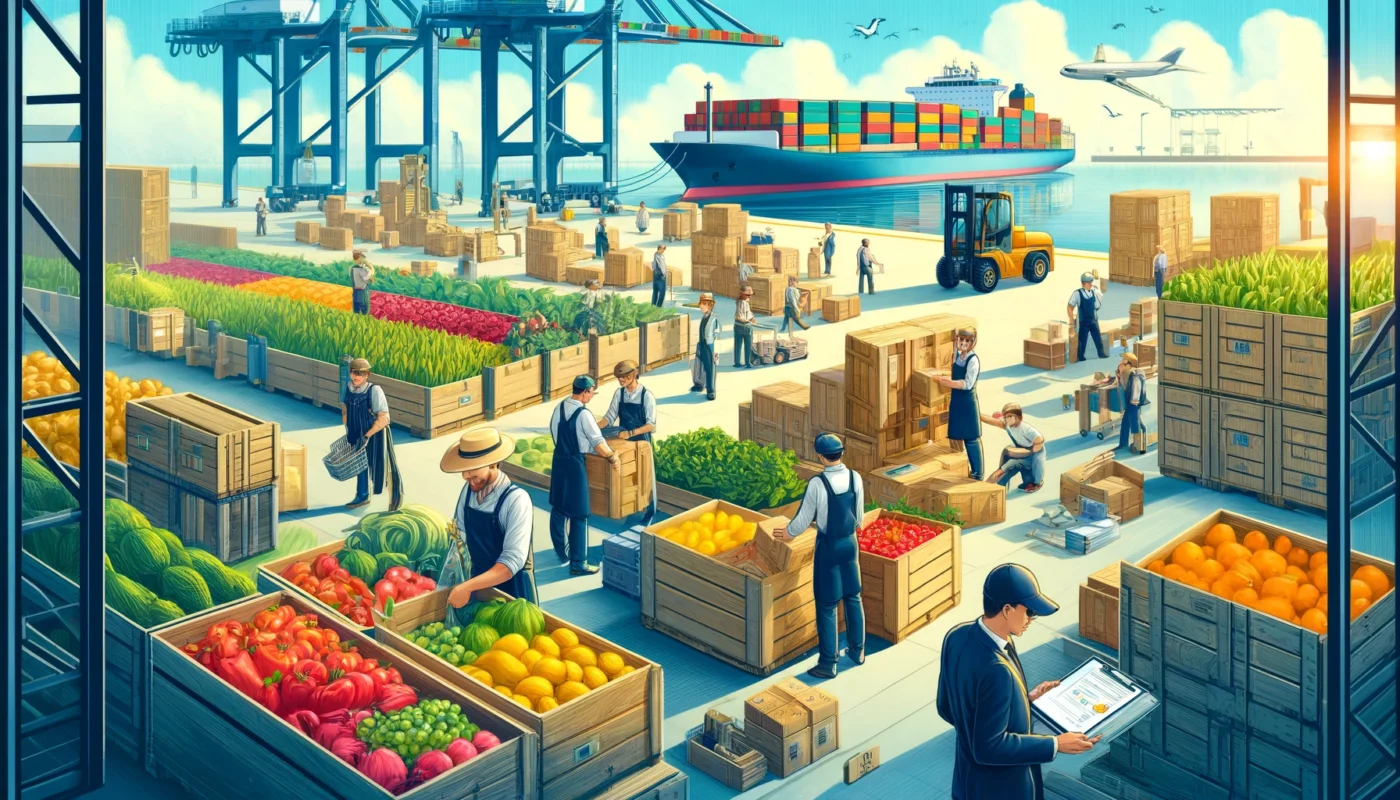
Export market refers to the international marketplace where goods and services produced in one country are sold to buyers in other countries. For agricultural producers, the export market provides opportunities to expand their customer base, increase sales, and enhance profitability by accessing demand in foreign markets. Engaging in the export market involves understanding international trade regulations, market demands, and cultural differences to successfully navigate and compete in the global marketplace.
Benefits of Entering the Export Market
Expanded Customer Base
Entering the export market allows producers to access a larger and more diverse customer base beyond their domestic market. This expansion can lead to increased sales and revenue, reducing dependence on local demand and market fluctuations.
 Fall off the barn roof and busted your keister? Life on the farm or ranch can be tough on the bum. Need a break? Laugh it off at FarmerCowboy.com, the #1 farm humor site. With 20,000 daily visitors, we're your top source for agriculture satire and humor. Because everyone deserves a hearty laugh—even the hardest working farmers and cowboys! Join us and turn those long days into fun tales at FarmerCowboy.com.
Higher Profit Margins
Exporting agricultural products can result in higher profit margins due to the potential for premium pricing in international markets. Certain products may command higher prices abroad, especially if they are unique or in high demand.
Diversification and Risk Management
Engaging in the export market diversifies a producer’s income sources, reducing the risk associated with reliance on a single market. This diversification helps mitigate the impact of local economic downturns, seasonal fluctuations, and market saturation.
Components of Export Market Entry
Market Research
Conducting thorough market research is essential for identifying suitable export markets. This involves analyzing demand for specific products, understanding consumer preferences, evaluating competition, and assessing regulatory requirements in target countries.
Trade Regulations and Compliance
Understanding and complying with international trade regulations, standards, and certifications is crucial for successful export market entry. This includes tariffs, quotas, labeling requirements, phytosanitary standards, and other trade barriers that may affect market access.
Logistics and Distribution
Effective logistics and distribution strategies ensure that products reach international markets efficiently and in good condition. This includes selecting appropriate transportation methods, managing customs procedures, and establishing reliable distribution networks.
Techniques for Successful Export Market Entry
Export Planning
Developing a comprehensive export plan helps producers outline their goals, target markets, pricing strategies, marketing efforts, and logistical arrangements. A well-structured export plan guides the entry process and ensures all aspects are considered.
Building Partnerships
Establishing partnerships with local distributors, agents, or importers in target markets can facilitate market entry. These partners provide valuable market insights, help navigate regulatory requirements, and establish distribution channels.
Trade Shows and Expositions
Participating in international trade shows and expositions provides opportunities to showcase products, network with potential buyers, and gain firsthand market insights. Trade shows are effective platforms for building brand awareness and generating export leads.
Economic Considerations
Cost of Exporting
Entering the export market involves costs related to market research, compliance with trade regulations, transportation, and marketing. Producers should budget for these expenses and consider the potential return on investment from accessing international markets.
Return on Investment
Assessing the return on investment for export activities involves evaluating increased sales revenue, higher profit margins, and market diversification benefits. Conducting a cost-benefit analysis helps producers determine the financial viability of exporting.
Environmental Impact
Sustainable Export Practices
Implementing sustainable export practices minimizes the environmental impact of international trade. This includes using eco-friendly packaging, optimizing transportation routes to reduce emissions, and complying with environmental standards in target markets.
Resource Efficiency
Exporting efficiently managed products can reduce waste and promote sustainability. Ensuring that products are transported and stored properly during export helps maintain quality and reduces spoilage, contributing to resource conservation.
Case Studies
Case Study 1: Expanding Organic Produce Exports
An organic farm in California identified demand for organic produce in European markets through market research. By obtaining organic certifications recognized in Europe and partnering with local distributors, the farm successfully expanded its export business. This led to increased sales and higher profit margins.
Case Study 2: Exporting Specialty Grains to Asia
A grain producer in Kansas explored export opportunities in Asian markets for specialty grains. Through participation in international trade shows and building relationships with local importers, the producer established a strong export presence. The export market entry resulted in significant revenue growth and market diversification.
Conclusion
Entering the export market offers agricultural producers opportunities to expand their customer base, increase profitability, and manage market risks. By conducting thorough market research, understanding trade regulations, and developing effective logistics and distribution strategies, producers can successfully navigate the complexities of international trade. Understanding the components and benefits of export market entry allows producers to make informed decisions and capitalize on global opportunities. As global trade dynamics continue to evolve, staying proactive and adaptable in export strategies will remain essential for long-term success.

This content provides a comprehensive overview of the export market, focusing on its practical benefits and considerations for farmers and producers.
Originally posted 2023-09-22 11:37:22.
Searching for some good ol' Farm-tastic Fun, Udderly Hilarious Dairy Tales, Insightful Ranching Revelations, and Rip-roaring Rodeo Antics?