 by
by Soil Testing
Definition:
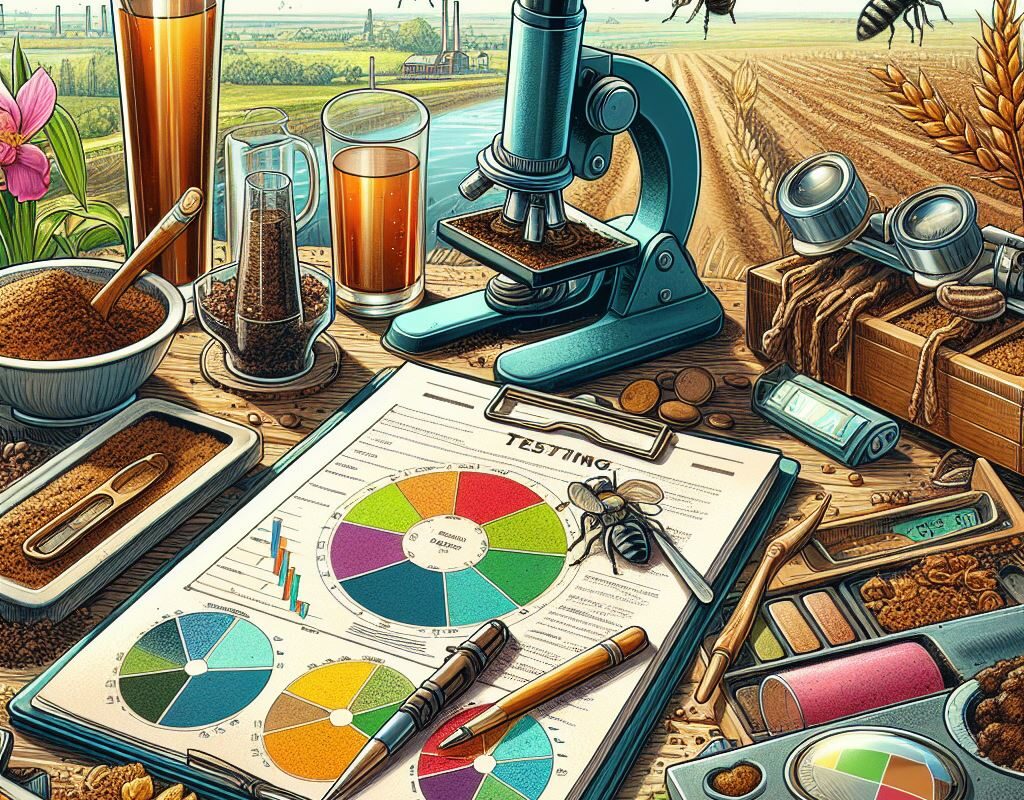
Soil testing is a fundamental practice used to analyze the chemical, physical, and biological properties of soil, providing valuable information to farmers and land managers about soil fertility, nutrient availability, pH levels, organic matter content, and soil health indicators.
Informative Tips:
Soil testing is a critical tool for making informed decisions regarding fertilizer application, nutrient management, soil amendment recommendations, and crop selection. By conducting regular soil tests, farmers can optimize nutrient use efficiency, minimize input costs, and sustainably manage soil resources for long-term agricultural productivity and environmental stewardship.
 Fall off the barn roof and busted your keister? Life on the farm or ranch can be tough on the bum. Need a break? Laugh it off at FarmerCowboy.com, the #1 farm humor site. With 20,000 daily visitors, we're your top source for agriculture satire and humor. Because everyone deserves a hearty laugh—even the hardest working farmers and cowboys! Join us and turn those long days into fun tales at FarmerCowboy.com.
Valuable Assistance in Implementation:
1. Sampling Techniques: Follow standardized soil sampling protocols and procedures to collect representative soil samples from different field locations, depths, and soil management zones, ensuring accuracy and reliability of test results.
2. Laboratory Analysis: Submit soil samples to accredited soil testing laboratories equipped with state-of-the-art equipment and trained personnel to perform comprehensive soil analyses, including nutrient analysis, pH measurement, cation exchange capacity (CEC), and soil texture determination.
3. Interpretation of Results: Interpret soil test results in conjunction with crop nutrient requirements, soil fertility recommendations, and agronomic guidelines to develop customized fertilizer recommendations, lime application rates, and soil management strategies tailored to specific crops and soil conditions.
4. Nutrient Management Planning: Develop nutrient management plans based on soil test data, crop nutrient uptake rates, yield goals, and environmental considerations to optimize nutrient application timing, rates, and sources while minimizing nutrient losses and environmental impacts.
5. Soil Health Assessment: Incorporate soil health assessments into soil testing protocols to evaluate key soil health indicators, such as microbial activity, aggregate stability, soil organic matter content, and root health, providing insights into soil resilience, productivity, and sustainability.
6. Long-Term Monitoring: Establish a routine soil testing schedule to monitor changes in soil fertility, pH levels, and nutrient dynamics over time, enabling farmers to track trends, identify nutrient deficiencies or imbalances, and adjust management practices accordingly.
7. Extension Resources: Utilize educational resources, extension publications, online tools, and technical assistance provided by agricultural universities, cooperative extension services, and government agencies to enhance soil testing knowledge, skills, and adoption among farmers and agricultural professionals.
Practical Advice for Farmers:
- Develop a soil testing plan and schedule based on crop rotation, soil type, management history, and field variability to ensure comprehensive coverage and adequate sampling intensity across your farm.
- Consult with soil fertility specialists, agronomists, or extension educators to interpret soil test results, prioritize management recommendations, and implement cost-effective soil fertility strategies aligned with your production goals and environmental objectives.
- Integrate soil testing data and recommendations into your farm management decision-making process, including crop planning, nutrient budgeting, fertilizer application, and soil conservation practices, to maximize crop yield potential while safeguarding soil health and environmental quality.
In summary, soil testing is a valuable diagnostic tool for assessing soil fertility, nutrient status, and overall soil health in agricultural systems. By incorporating soil testing into their farm management practices, farmers can make informed decisions, optimize resource use efficiency, and enhance the sustainability and profitability of their operations.
References:
- “Soil Testing.” Penn State Extension. Link
- “Soil Testing Handbook for Professionals in Agriculture and Horticulture.” North Carolina Department of Agriculture & Consumer Services. Link
- “Soil Testing and Analysis.” University of Georgia Cooperative Extension. Link


Originally posted 2005-02-10 22:27:14.
Searching for some good ol' Farm-tastic Fun, Udderly Hilarious Dairy Tales, Insightful Ranching Revelations, and Rip-roaring Rodeo Antics?