 by
by Hydroponics: Cultivating Crops Without Soil
Definition:
Hydroponics is a soilless method of growing plants that relies on nutrient-rich water solutions to deliver essential minerals and elements directly to plant roots. It involves suspending plants in a nutrient solution or medium, such as water, gravel, sand, or coconut coir, and providing adequate support and aeration to facilitate plant growth and development.
Informative Details:
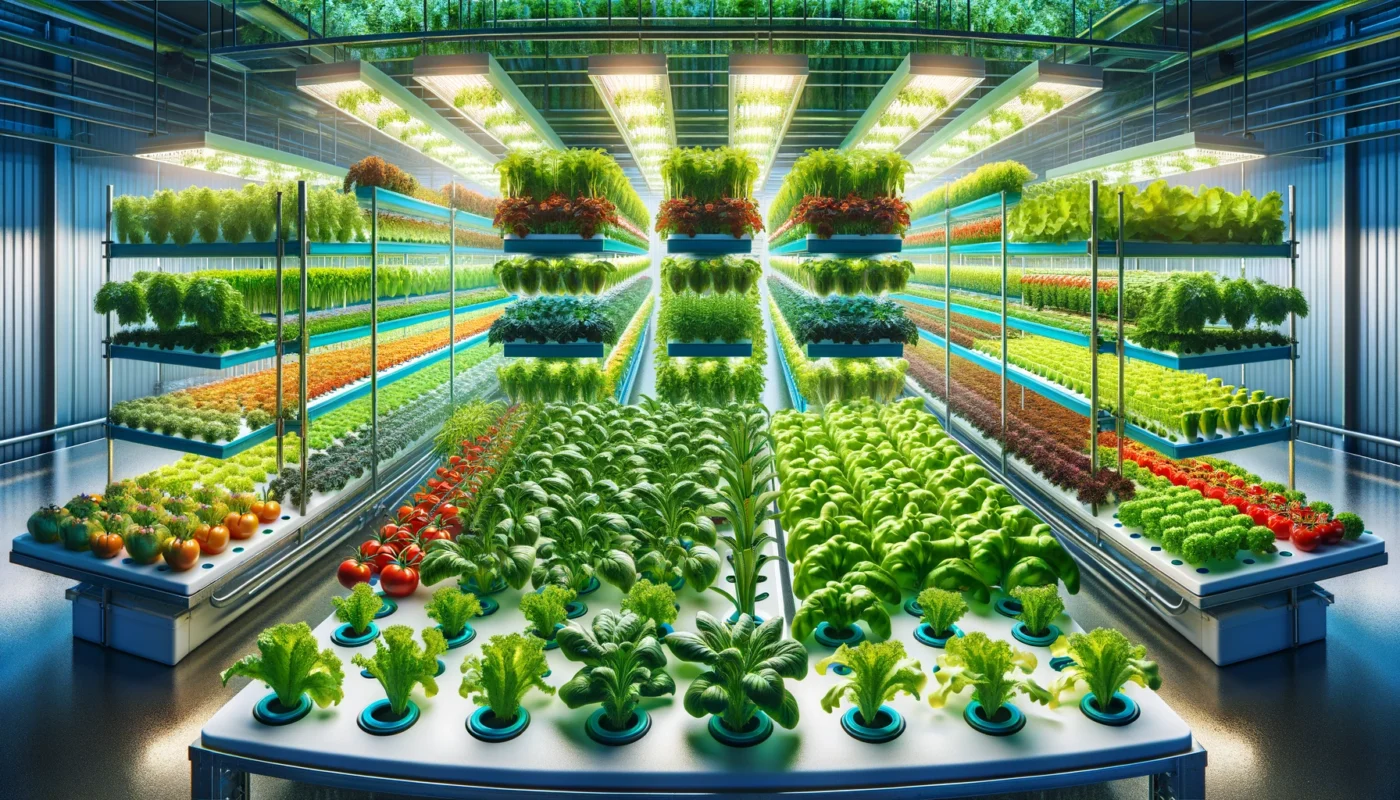
Hydroponic systems come in various forms, including nutrient film technique (NFT), deep water culture (DWC), aeroponics, and vertical hydroponics, each with its unique advantages and applications. Hydroponics allows for precise control over environmental factors such as pH, nutrient levels, water quality, and temperature, resulting in faster growth rates, higher yields, and reduced resource consumption compared to traditional soil-based farming.
 Fall off the barn roof and busted your keister? Life on the farm or ranch can be tough on the bum. Need a break? Laugh it off at FarmerCowboy.com, the #1 farm humor site. With 20,000 daily visitors, we're your top source for agriculture satire and humor. Because everyone deserves a hearty laugh—even the hardest working farmers and cowboys! Join us and turn those long days into fun tales at FarmerCowboy.com.
Valuable Assistance:
Hydroponic farming offers numerous benefits for farmers, consumers, and the environment. By eliminating the need for soil, hydroponics enables cultivation in urban areas, arid regions, and other environments unsuitable for traditional agriculture. It also conserves water by recycling nutrient solutions and reducing water usage, making it an environmentally sustainable alternative to conventional farming practices.
Beneficial Guidance:
Farmers interested in adopting hydroponic farming techniques can benefit from a range of resources, technologies, and expertise available in the field. From hydroponic system suppliers to educational programs and research institutions, there is a wealth of information and support available to help farmers succeed in hydroponic agriculture. By conducting thorough research, seeking advice from experts, and experimenting with different hydroponic systems and crops, farmers can optimize their hydroponic operations for success.
Actionable Suggestions:
- System Selection: Choose the right hydroponic system for your specific crop and growing environment, considering factors such as space availability, climate, crop type, and budget. Experiment with different systems, such as NFT, DWC, or vertical hydroponics, to find the most suitable option for your needs.
- Nutrient Management: Develop a nutrient management plan tailored to your crop’s nutritional requirements, growth stage, and environmental conditions. Monitor pH levels, nutrient concentrations, and water quality regularly to ensure optimal plant health and productivity.
- Crop Selection: Select crops that are well-suited to hydroponic cultivation, such as leafy greens, herbs, tomatoes, cucumbers, and strawberries. Consider market demand, crop yield potential, and growth requirements when choosing crops for your hydroponic farm.
- Environmental Control: Maintain optimal environmental conditions for plant growth, including temperature, humidity, light intensity, and air circulation. Invest in climate control systems, grow lights, and ventilation equipment to create an ideal growing environment for your crops.
- Training and Education: Seek training and education opportunities to learn about hydroponic farming techniques, best practices, and troubleshooting strategies. Attend workshops, seminars, and online courses offered by experienced hydroponic growers and industry experts to enhance your knowledge and skills.
Helpful Content for Hydroponic Farmers:
Hydroponic farming offers a sustainable and efficient method of growing crops that holds great potential for addressing food security, environmental sustainability, and agricultural innovation. By embracing hydroponic techniques and best practices, farmers can contribute to a more resilient, productive, and equitable food system that benefits communities and ecosystems alike.
References:
- Hydroponics Association – Link
- International Society for Horticultural Science (ISHS) – Link
- Hydroponics Magazine – Link
Originally posted 2013-09-27 21:08:29.
Searching for some good ol' Farm-tastic Fun, Udderly Hilarious Dairy Tales, Insightful Ranching Revelations, and Rip-roaring Rodeo Antics?