 by
by Aquaponics: Symbiotic Farming for Sustainable Food Production
Definition:
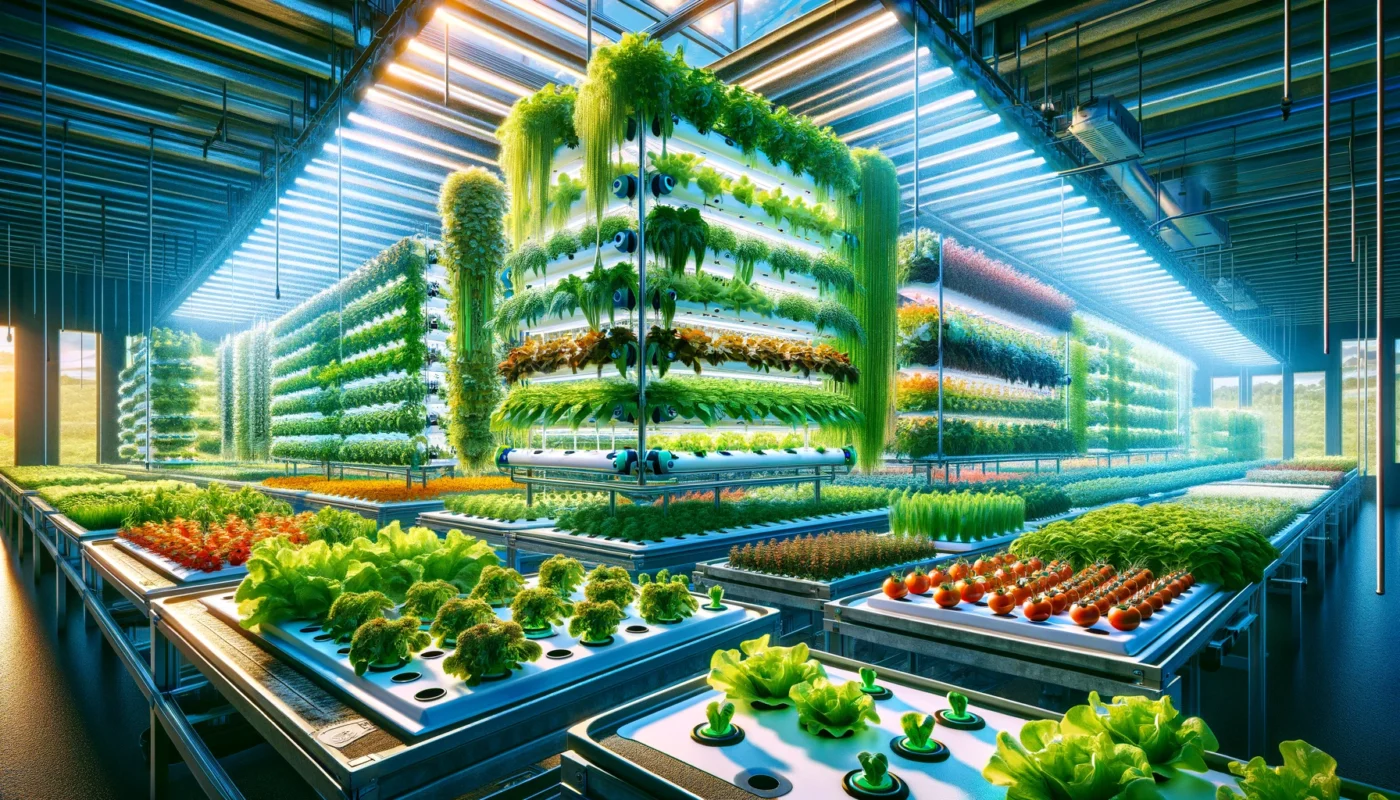
Aquaponics is a closed-loop system of agriculture that combines aquaculture (fish farming) with hydroponics (soilless plant cultivation) in a symbiotic environment. It involves raising fish and cultivating plants together in a recirculating aquatic ecosystem, where fish waste provides nutrients for plant growth, and plants help filter and purify the water for the fish.
Informative Details:
In an aquaponic system, fish waste, rich in ammonia, serves as a natural fertilizer for plants. Beneficial bacteria in the system convert ammonia into nitrites and then nitrates, which are absorbed by plants as nutrients. In return, plants help to purify the water by removing excess nutrients and filtering out impurities, creating a balanced and sustainable ecosystem for both fish and plants to thrive.
 Fall off the barn roof and busted your keister? Life on the farm or ranch can be tough on the bum. Need a break? Laugh it off at FarmerCowboy.com, the #1 farm humor site. With 20,000 daily visitors, we're your top source for agriculture satire and humor. Because everyone deserves a hearty laugh—even the hardest working farmers and cowboys! Join us and turn those long days into fun tales at FarmerCowboy.com.
Valuable Assistance:
Aquaponics offers numerous benefits for farmers, consumers, and the environment. By integrating fish and plant production in a symbiotic system, aquaponics maximizes resource use efficiency, reduces water consumption, and minimizes environmental impact compared to conventional farming practices. It also provides a source of fresh, locally grown produce and protein, contributing to food security and community resilience.
Beneficial Guidance:
Farmers interested in adopting aquaponic farming techniques can benefit from a range of resources, technologies, and expertise available in the field. From aquaponic system suppliers to educational programs and research institutions, there is a wealth of information and support available to help farmers succeed in aquaponic agriculture. By learning about aquaponic principles, best practices, and system design, farmers can establish and manage successful aquaponic operations.
Actionable Suggestions:
- System Design: Design and build an aquaponic system tailored to your specific needs, space availability, and production goals. Consider factors such as fish species selection, plant varieties, system size, and environmental control requirements when planning your aquaponic farm.
- Fish Selection: Choose fish species that are well-suited to aquaponic environments and compatible with your local climate and regulations. Popular fish species for aquaponics include tilapia, trout, catfish, and perch, but other species may also be suitable depending on your location and preferences.
- Plant Selection: Select plants that thrive in aquaponic systems and complement your fish production. Leafy greens, herbs, tomatoes, cucumbers, peppers, and strawberries are commonly grown in aquaponic gardens, but you can experiment with a variety of crops to suit your market demand and personal preferences.
- Water Quality Management: Monitor water quality parameters such as pH, ammonia, nitrites, nitrates, dissolved oxygen, and temperature regularly to ensure optimal conditions for fish and plant health. Implement water testing protocols, filtration systems, and nutrient management strategies to maintain water quality and prevent imbalances or fluctuations.
- Training and Education: Seek training and education opportunities to learn about aquaponic farming techniques, system design, and management practices. Attend workshops, seminars, and online courses offered by experienced aquaponic growers and industry experts to gain knowledge and skills necessary for success in aquaponic agriculture.
Helpful Content for Aquaponic Farmers:
Aquaponics offers a sustainable and integrated approach to food production that holds great promise for addressing food security, environmental sustainability, and economic resilience. By embracing aquaponic techniques and best practices, farmers can create thriving ecosystems that produce healthy, nutritious food while conserving resources and minimizing environmental impact.
References:
Originally posted 2013-08-08 16:31:13.
Searching for some good ol' Farm-tastic Fun, Udderly Hilarious Dairy Tales, Insightful Ranching Revelations, and Rip-roaring Rodeo Antics?