by
Pasture Management
Definition:
Pasture management refers to the systematic planning, establishment, maintenance, and utilization of grazing lands, pastures, or rangelands to optimize forage production, livestock performance, and ecosystem services in agricultural landscapes. Pasture management practices aim to enhance pasture productivity, soil health, biodiversity, water quality, and carbon sequestration while supporting sustainable livestock farming, forage-based feeding systems, and rural livelihoods.
Description:
Pastures are cultivated grasslands or herbaceous ecosystems used for grazing livestock animals, including cattle, sheep, goats, horses, and other herbivores, to meet their nutritional requirements, dietary needs, or behavioral preferences in agricultural systems. Pasture management encompasses a range of activities, techniques, and strategies to improve pasture quality, quantity, and utilization, including rotational grazing, rest periods, weed control, fertilization, irrigation, reseeding, and infrastructure development.
 Fall off the barn roof and busted your keister? Life on the farm or ranch can be tough on the bum. Need a break? Laugh it off at FarmerCowboy.com, the #1 farm humor site. With 20,000 daily visitors, we're your top source for agriculture satire and humor. Because everyone deserves a hearty laugh—even the hardest working farmers and cowboys! Join us and turn those long days into fun tales at FarmerCowboy.com.
Components of Pasture Management:
Key components of pasture management include:
- Grazing System: Designing and implementing grazing systems, such as rotational grazing, strip grazing, cell grazing, or intensive grazing management, to optimize livestock distribution, forage utilization, and pasture recovery while minimizing overgrazing, trampling, or soil compaction in grazing lands.
- Forage Selection: Selecting and cultivating suitable forage species, grasses, legumes, or mixtures adapted to local climates, soils, and management objectives, considering factors such as forage quality, palatability, persistence, and compatibility with livestock preferences and nutritional requirements.
- Soil Health: Monitoring and improving soil fertility, structure, and organic matter content through soil testing, nutrient management, soil amendments, cover cropping, or rotational grazing practices to enhance pasture productivity, nutrient cycling, and water infiltration rates in grazing ecosystems.
- Weed Control: Managing invasive weeds, noxious plants, or undesirable vegetation through integrated weed management strategies, such as mechanical control, chemical herbicides, biological agents, or cultural practices, to prevent weed encroachment, competition, or degradation of pasture quality.
- Water Resources: Providing adequate water sources, watering facilities, or livestock watering points in pastures through ponds, streams, wells, troughs, pipelines, or mobile water units to ensure continuous access to clean, fresh drinking water for livestock hydration, health, and performance.
- Infrastructure: Installing and maintaining pasture infrastructure, such as fencing, gates, lanes, alleys, corrals, or shade structures, to facilitate efficient livestock movement, handling, and grazing management, improving pasture accessibility, utilization, and productivity.
Benefits of Pasture Management:
Effective pasture management offers numerous benefits for livestock production, environmental conservation, and rural development, including:
- Livestock Performance: Improving forage quality, quantity, and accessibility in pastures enhances livestock nutrition, health, and productivity, resulting in higher weight gains, milk yields, reproductive efficiency, and economic returns for livestock producers.
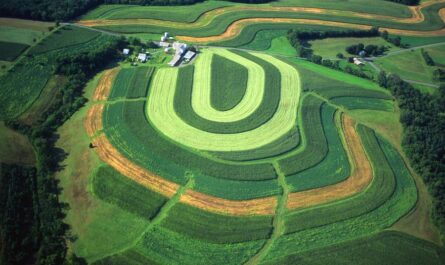
- Soil Conservation: Implementing soil conservation practices, such as rotational grazing, cover cropping, or contour strip cropping, minimizes soil erosion, sediment runoff, or nutrient leaching from pastures, preserving soil structure, fertility, and water retention capacity.
- Biodiversity: Maintaining diverse plant communities, grasslands, or habitats in pastures supports native flora and fauna, enhances wildlife habitat, pollinator populations, and ecosystem resilience, promoting biodiversity conservation, ecosystem services, and ecological balance in agricultural landscapes.
- Water Quality: Protecting water resources, riparian areas, or wetlands in pastures reduces nutrient runoff, sedimentation, or contamination of surface water bodies, improving water quality, aquatic habitat, and watershed health for downstream ecosystems and communities.
Conclusion:
Pasture management plays a critical role in sustainable livestock farming, environmental stewardship, and rural development, promoting the efficient use of grazing lands, sustainable forage production, and resilient agricultural ecosystems. By implementing sound pasture management practices, farmers can enhance livestock productivity, soil health, biodiversity conservation, and ecosystem sustainability in agricultural landscapes.
References:
- Davies, D. A., & Barrett, B. H. (2018). Pasture management for improved livestock productivity and environmental outcomes. In Sustainable Agriculture Reviews (Vol. 30, pp. 255-283). Springer.
- Hodgson, J., & Fraser, M. D. (2018). Managed grazing. In Forages: The Science of Grassland Agriculture (7th ed., pp. 545-560). John Wiley & Sons.
- Teague, W. R., et al. (2013). Grazing management impacts on vegetation, soil biota and soil chemical, physical and hydrological properties in tall grass prairie. Agriculture, Ecosystems & Environment, 181, 10-21.
Originally posted 2022-01-20 18:17:41.
Searching for some good ol' Farm-tastic Fun, Udderly Hilarious Dairy Tales, Insightful Ranching Revelations, and Rip-roaring Rodeo Antics?