by
by Agroforestry
Definition: Agroforestry is a sustainable land management practice that integrates trees or shrubs with crops or livestock in agricultural systems. This approach combines elements of forestry and agriculture to optimize productivity, conserve natural resources, and enhance environmental resilience.
Understanding Agroforestry
Agroforestry systems are characterized by the deliberate design and management of diverse plant species within the same land area. By strategically integrating trees into agricultural landscapes, farmers can achieve a range of ecological, economic, and social benefits. Agroforestry practices vary widely depending on local environmental conditions, cultural preferences, and production objectives.
 Fall off the barn roof and busted your keister? Life on the farm or ranch can be tough on the bum. Need a break? Laugh it off at FarmerCowboy.com, the #1 farm humor site. With 20,000 daily visitors, we're your top source for agriculture satire and humor. Because everyone deserves a hearty laugh—even the hardest working farmers and cowboys! Join us and turn those long days into fun tales at FarmerCowboy.com.
Types of Agroforestry Systems
Agroforestry encompasses a variety of systems, including:
- Alley Cropping: Rows of trees or shrubs are planted alongside crops in alleyways, allowing for simultaneous cultivation of trees and annual or perennial crops.
- Silvopasture: Trees are integrated into pasture or rangeland to provide shade, shelter, and additional forage for livestock grazing.
- Windbreaks and Shelterbelts: Linear plantings of trees or shrubs are used to reduce wind erosion, protect crops or livestock, and enhance microclimate conditions.
- Riparian Buffers: Vegetative strips of trees and shrubs are established along water bodies to improve water quality, control erosion, and enhance wildlife habitat.
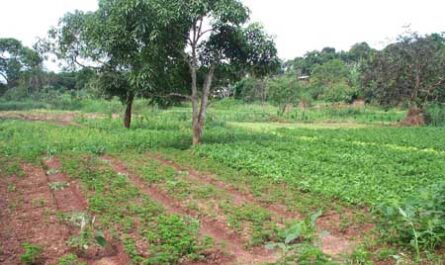
- Homegardens and Multistrata Systems: Trees, shrubs, and annual crops are cultivated together in small-scale agroecosystems, providing diverse food, fuel, and medicinal resources.
Benefits of Agroforestry
Agroforestry offers numerous advantages for farmers, communities, and the environment, including:
- Increased Biodiversity: Agroforestry systems support a wide range of plant and animal species, promoting ecological resilience and habitat diversity.
- Improved Soil Health: Tree roots enhance soil structure, nutrient cycling, and water retention, leading to increased fertility and reduced erosion.
- Climate Change Mitigation: Trees sequester carbon dioxide from the atmosphere, mitigating greenhouse gas emissions and contributing to climate change adaptation efforts.
- Enhanced Livelihoods: Agroforestry diversifies income streams for farmers through the production of timber, fruits, nuts, and non-timber forest products.
- Water Resource Management: Agroforestry helps regulate water flow, reduce sedimentation, and improve water quality in watersheds and riparian areas.
- Resilient Landscapes: By integrating trees with crops and livestock, agroforestry systems are more resilient to extreme weather events, pests, and diseases.
Practical Applications
Example 1: Agroforestry in Southeast Asia
In Southeast Asia, agroforestry has been widely practiced for centuries in the form of homegardens, orchards, and multistrata agroecosystems. Farmers cultivate a diverse array of crops, including fruits, vegetables, herbs, and medicinal plants, alongside timber and bamboo species. These integrated systems provide food security, income generation, and cultural heritage preservation for local communities.
Example 2: Windbreaks on Agricultural Lands
In agricultural regions prone to strong winds, farmers establish windbreaks and shelterbelts using trees and shrubs to protect crops, livestock, and infrastructure. Research has shown that properly designed windbreaks can reduce wind velocity, minimize soil erosion, and increase crop yields by creating a more favorable microclimate within fields.
References:
- World Agroforestry. “Agroforestry: A Pathway to Sustainable Land Management”. World Agroforestry. Retrieved from https://www.worldagroforestry.org/agroforestry
- United Nations Food and Agriculture Organization. “Agroforestry”. FAO Forestry. Retrieved from http://www.fao.org/forestry/agroforestry/en/
- International Centre for Research in Agroforestry. “Agroforestry”. ICRAF Agroforestry Tree Database. Retrieved from https://tree.worldagroforestry.org/agroforestry
Originally posted 2011-10-06 22:24:09.
Searching for some good ol' Farm-tastic Fun, Udderly Hilarious Dairy Tales, Insightful Ranching Revelations, and Rip-roaring Rodeo Antics?