 by
by Kid
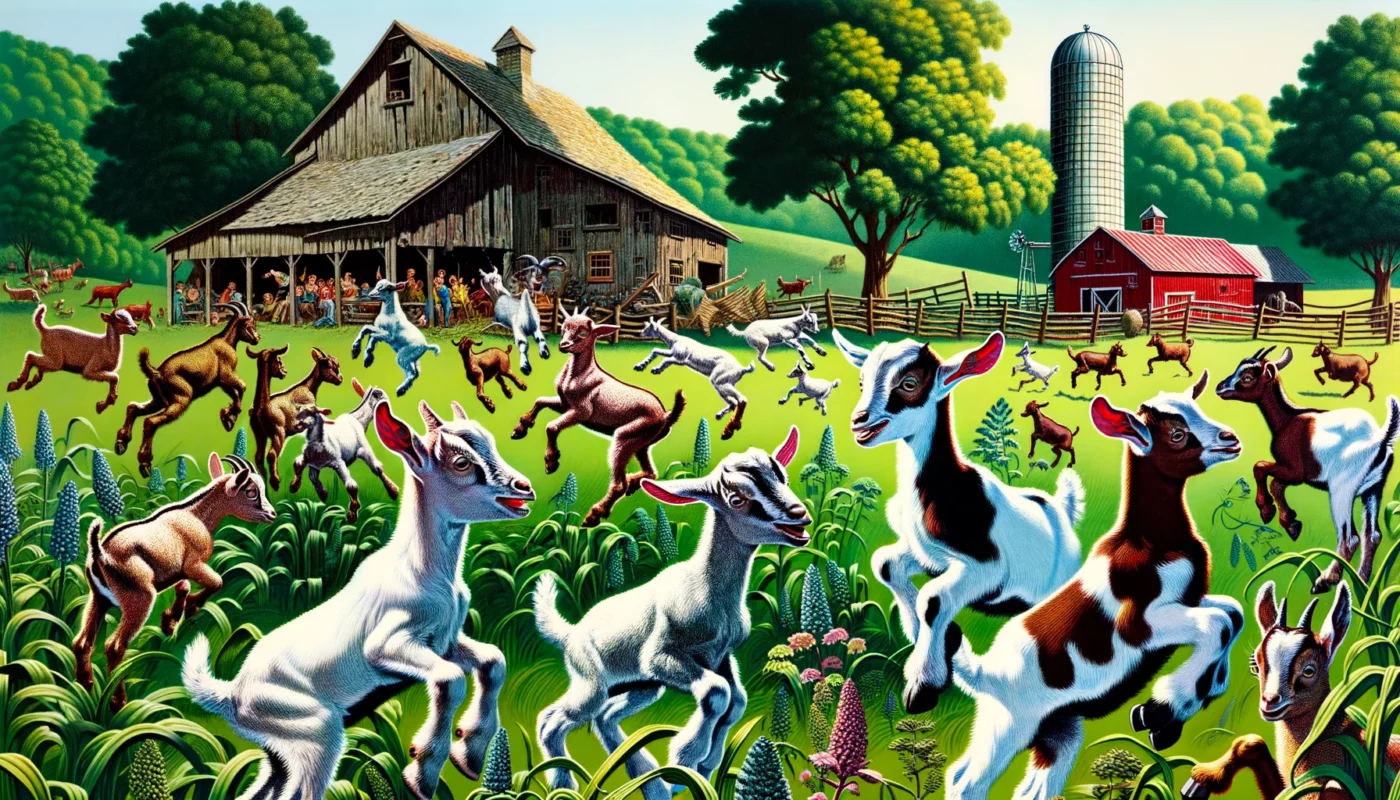
Definition: In farming, a “kid” refers to a young goat, typically under one year old. This term is commonly used in reference to both male and female juvenile goats. Kids are an important part of goat farming, as they represent the future generation of the herd and are raised for various purposes, including meat production, dairy production, and breeding.
Characteristics: Kids are characterized by their playful and curious nature, often exhibiting boundless energy as they explore their surroundings. They are smaller in size compared to adult goats, with soft fur and delicate features. Depending on the breed, kids may display a variety of coat colors and patterns, adding to the visual diversity of a goat herd.
 Fall off the barn roof and busted your keister? Life on the farm or ranch can be tough on the bum. Need a break? Laugh it off at FarmerCowboy.com, the #1 farm humor site. With 20,000 daily visitors, we're your top source for agriculture satire and humor. Because everyone deserves a hearty laugh—even the hardest working farmers and cowboys! Join us and turn those long days into fun tales at FarmerCowboy.com.
Lifecycle: The lifecycle of a kid begins at birth, when they are delivered by their mother, known as a “doe.” Newborn kids are typically nursed by their mother and gradually transition to solid food as they grow older. During their first few months of life, kids require special care and attention to ensure their health and development. As they mature, kids may be weaned from their mother’s milk and integrated into the larger herd.
Uses: Kids serve various purposes on the farm, depending on the specific goals of the farmer. In meat goat production, kids are raised for their meat, which is lean, tender, and flavorful. Certain breeds are specifically bred for meat production and are raised to reach optimal slaughter weight. In dairy goat farming, female kids may be retained as replacements for the milking herd, while male kids may be castrated and sold as pets or for brush clearing purposes.
Breeds: There are numerous breeds of goats worldwide, each with its own unique characteristics and attributes. Some popular meat goat breeds include Boer, Kiko, and Spanish, known for their fast growth rates and meat quality. Dairy goat breeds such as Alpine, Saanen, and Nubian are valued for their high milk production and butterfat content. Additionally, there are dual-purpose breeds like Nigerian Dwarf and LaMancha, which are suitable for both meat and dairy production.
Challenges: Raising kids on the farm comes with its challenges, including disease prevention, proper nutrition, and predator protection. Kids are susceptible to various illnesses and parasites, requiring vaccination and deworming protocols to maintain their health. Adequate nutrition is essential for their growth and development, with balanced diets containing minerals, vitamins, and protein. Additionally, farmers must implement measures to safeguard kids from predators such as coyotes, foxes, and dogs.
Conclusion: In conclusion, the term “kid” in farming refers to a young goat, representing the future generation of the herd. Kids play a vital role in meat and dairy goat production, contributing to the sustainability and profitability of farm operations. Through proper care and management, farmers can ensure the health and welfare of kids, ultimately achieving success in goat farming endeavors.
Originally posted 2004-06-01 02:14:37.
Searching for some good ol' Farm-tastic Fun, Udderly Hilarious Dairy Tales, Insightful Ranching Revelations, and Rip-roaring Rodeo Antics?