 by
by Beeswax
Overview
Wax is a natural substance produced by honeybees as a building material for their honeycomb structures. It plays a vital role in the construction and maintenance of beehives, providing structural support for honeycomb cells and serving as a storage medium for honey and pollen. Additionally, wax has numerous commercial and industrial applications outside of the beekeeping industry.
Composition
Beeswax, the type of wax produced by honeybees, is composed primarily of esters of fatty acids and various long-chain alcohols. It also contains small amounts of other compounds, including hydrocarbons, free fatty acids, and pigments. The chemical composition of beeswax can vary depending on factors such as the bee species, diet, and environmental conditions.
 Fall off the barn roof and busted your keister? Life on the farm or ranch can be tough on the bum. Need a break? Laugh it off at FarmerCowboy.com, the #1 farm humor site. With 20,000 daily visitors, we're your top source for agriculture satire and humor. Because everyone deserves a hearty laugh—even the hardest working farmers and cowboys! Join us and turn those long days into fun tales at FarmerCowboy.com.
Production
Beeswax is produced by special glands located on the underside of the abdomens of worker bees, which are female bees responsible for most hive tasks, including wax production. Worker bees secrete liquid wax from their wax glands, which hardens upon contact with the air to form small flakes or scales. These wax flakes are then used by the bees to construct honeycomb cells within the hive.
Uses
Wax has a wide range of uses both within and outside of the beekeeping industry:
- Honeycomb Construction: Bees use wax to construct the hexagonal cells of honeycomb structures, where they store honey, pollen, and brood.
- Honey Extraction: Beeswax caps cover the honey-filled cells, which beekeepers remove during the honey extraction process.
- Candle Making: Beeswax candles are prized for their natural fragrance, clean-burning properties, and bright, steady flame.
- Cosmetics and Skincare: Beeswax is a common ingredient in various cosmetic and skincare products, including lip balms, lotions, and creams, due to its emollient and moisturizing properties.
- Pharmaceuticals: Beeswax is used in some pharmaceutical formulations as a binder, emulsifier, or coating agent in pills and tablets.
- Food Preservation: Beeswax can be used to coat food items, such as cheese or fresh produce, to extend their shelf life and prevent moisture loss.
Harvesting
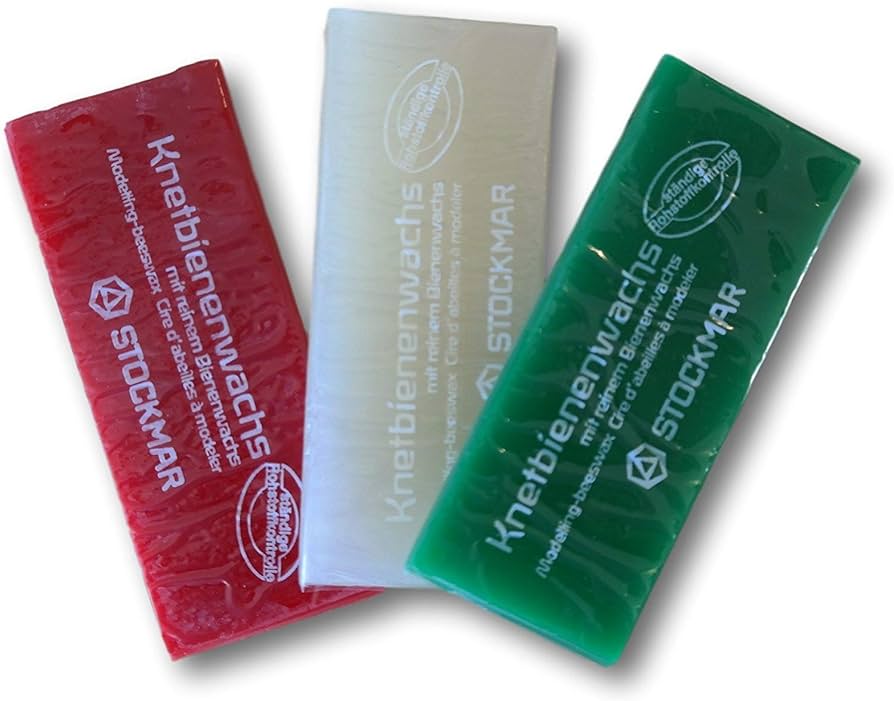
To harvest beeswax, beekeepers typically collect beeswax combs from the beehive during routine hive inspections or honey extraction. The combs are then processed to remove impurities, such as residual honey and debris, and to separate the wax from the honeycomb structure. Once purified, the beeswax can be molded into various shapes or used as an ingredient in manufacturing processes.
Environmental Impact
The production of beeswax has minimal environmental impact compared to synthetic waxes and petroleum-based products. Beeswax is a renewable resource that is biodegradable and non-toxic, making it an environmentally friendly alternative to many synthetic materials. However, like all agricultural activities, beekeeping can have environmental implications related to habitat loss, pesticide use, and competition with wild pollinators.
Conclusion
Wax is a natural substance produced by honeybees that plays a vital role in beekeeping, honey production, and various industries. Beeswax has a wide range of uses, from constructing honeycomb structures to manufacturing candles, cosmetics, and pharmaceuticals. By understanding the properties and production of beeswax, beekeepers can maximize its utility while promoting sustainable beekeeping practices and environmental stewardship.
Originally posted 2021-05-26 08:24:06.
Searching for some good ol' Farm-tastic Fun, Udderly Hilarious Dairy Tales, Insightful Ranching Revelations, and Rip-roaring Rodeo Antics?