by
by Soil Conservation
Definition: Soil conservation refers to the planning and implementation of practices and strategies aimed at preventing soil erosion, improving soil quality, and protecting soil resources from degradation.
Informative Tips: Soil erosion is a natural process accelerated by human activities such as agriculture, deforestation, and urbanization, leading to soil loss, sedimentation, and environmental degradation. Soil conservation measures aim to reduce soil erosion, enhance soil health, and promote sustainable land use practices.
 Fall off the barn roof and busted your keister? Life on the farm or ranch can be tough on the bum. Need a break? Laugh it off at FarmerCowboy.com, the #1 farm humor site. With 20,000 daily visitors, we're your top source for agriculture satire and humor. Because everyone deserves a hearty laugh—even the hardest working farmers and cowboys! Join us and turn those long days into fun tales at FarmerCowboy.com.
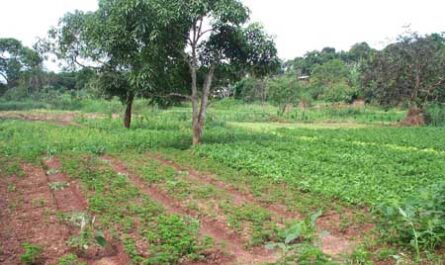
Valuable Assistance: Soil conservation is essential for maintaining agricultural productivity, preserving ecosystem services, and mitigating environmental impacts such as water pollution and habitat loss. Conservation practices include contour plowing, terracing, cover cropping, conservation tillage, and vegetative buffers to minimize soil erosion and improve soil structure and fertility.
Practical Advice: Farmers should prioritize soil conservation through practices such as erosion control, runoff management, and soil stabilization. Soil conservation measures protect vulnerable areas, such as hillsides, stream banks, and cropland, from erosion by reducing water runoff, improving infiltration, and enhancing soil aggregation and stability.
Beneficial Guidance: Soil conservation strategies integrate engineering, agronomic, and ecological approaches to address soil erosion and degradation issues. By implementing conservation practices tailored to specific landforms, soil types, and land uses, farmers can minimize soil loss, protect water quality, and sustain agricultural productivity over the long term.
Enlightening Details: Soil conservation efforts require collaboration among farmers, land managers, policymakers, and conservation organizations to promote effective land stewardship and sustainable resource management. Community-based initiatives, educational outreach, and incentive programs can encourage widespread adoption of soil conservation practices.
Actionable Suggestions: Farmers should assess their land for erosion risk, implement appropriate soil conservation practices, and monitor soil erosion rates and soil health indicators over time. Collaboration with soil conservation professionals, participation in conservation programs, and adoption of innovative conservation technologies can help protect soil resources and promote sustainable land management practices.
References:
- USDA Natural Resources Conservation Service. (2021). Soil Erosion and Soil Health. Link
- Montgomery, D. R. (2007). Soil erosion and agricultural sustainability. Link
- Lal, R. (2001). Soil degradation by erosion. Link
Originally posted 2020-05-12 06:38:37.
Searching for some good ol' Farm-tastic Fun, Udderly Hilarious Dairy Tales, Insightful Ranching Revelations, and Rip-roaring Rodeo Antics?