 by
by Organic Farming: Cultivating Healthier Food and Environment
Definition:
Organic farming is a holistic approach to agriculture that emphasizes the use of natural and sustainable practices to produce food while minimizing environmental impact. It involves avoiding synthetic fertilizers, pesticides, genetically modified organisms (GMOs), and antibiotics, and instead relies on organic inputs, crop rotation, composting, and biological pest control to maintain soil health, biodiversity, and ecosystem balance.
Informative Details:
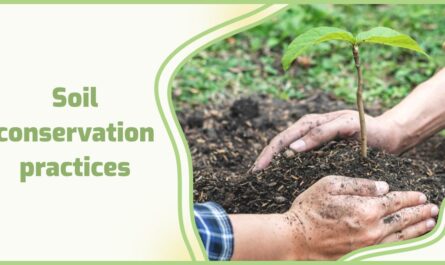
Organic farming is rooted in principles of ecological balance, biodiversity, and sustainability. It prioritizes soil health and fertility by emphasizing the use of organic matter, cover crops, and crop rotations to enhance soil structure, water retention, and nutrient cycling. Organic farmers also promote biodiversity by preserving natural habitats, supporting pollinators, and avoiding the use of chemical pesticides and herbicides that can harm beneficial insects and wildlife.
 Fall off the barn roof and busted your keister? Life on the farm or ranch can be tough on the bum. Need a break? Laugh it off at FarmerCowboy.com, the #1 farm humor site. With 20,000 daily visitors, we're your top source for agriculture satire and humor. Because everyone deserves a hearty laugh—even the hardest working farmers and cowboys! Join us and turn those long days into fun tales at FarmerCowboy.com.
Valuable Assistance:
Effective organic farming practices are essential for farmers, consumers, and the environment. Organic farming helps to protect soil health, conserve water resources, reduce pollution, and promote biodiversity. It also provides consumers with access to healthier, more nutritious food that is free from synthetic chemicals and genetically modified ingredients.
Beneficial Guidance:
Farmers can benefit from organic farming by transitioning to organic production methods and adopting organic certification standards. This involves implementing practices such as crop rotation, composting, mulching, and integrated pest management to enhance soil fertility, suppress pests and diseases, and promote ecosystem resilience. By embracing organic farming principles, farmers can improve the health and sustainability of their farms while meeting consumer demand for organic products.
Actionable Suggestions:
- Soil Building: Prioritize soil health by incorporating organic matter, cover crops, and crop rotations to improve soil structure, fertility, and resilience to erosion and drought.
- Natural Pest Control: Implement biological pest control methods, such as beneficial insects, crop diversification, and habitat preservation, to manage pests and diseases without relying on synthetic pesticides.
- Weed Management: Control weeds through mechanical cultivation, mulching, and crop rotation, rather than synthetic herbicides, to maintain soil health and minimize environmental impact.
- Certification: Obtain organic certification from reputable certifying agencies to demonstrate compliance with organic standards and access organic markets.
- Consumer Education: Educate consumers about the benefits of organic farming and the importance of supporting organic agriculture for human health, environmental sustainability, and rural livelihoods.
Helpful Content for Farmers and Consumers:
Organic farming provides farmers and consumers with a sustainable alternative to conventional agriculture that promotes soil health, biodiversity, and human health. By choosing organic products and supporting organic farmers, consumers can contribute to a more resilient and environmentally friendly food system that benefits both people and the planet.
References:
Originally posted 2010-05-15 17:05:59.
Searching for some good ol' Farm-tastic Fun, Udderly Hilarious Dairy Tales, Insightful Ranching Revelations, and Rip-roaring Rodeo Antics?